
TL;DR
What to eat on Ozempic comes down to manageable portions of protein, tolerated produce or grains, and enough fluid. There is no required “Ozempic diet,” and semaglutide works regardless of meal timing. We recommend shopping in small quantities, spreading protein across several meals, increasing fiber gradually, and contacting your prescriber if side effects prevent you from eating or drinking.
What to eat on Ozempic: the short answer
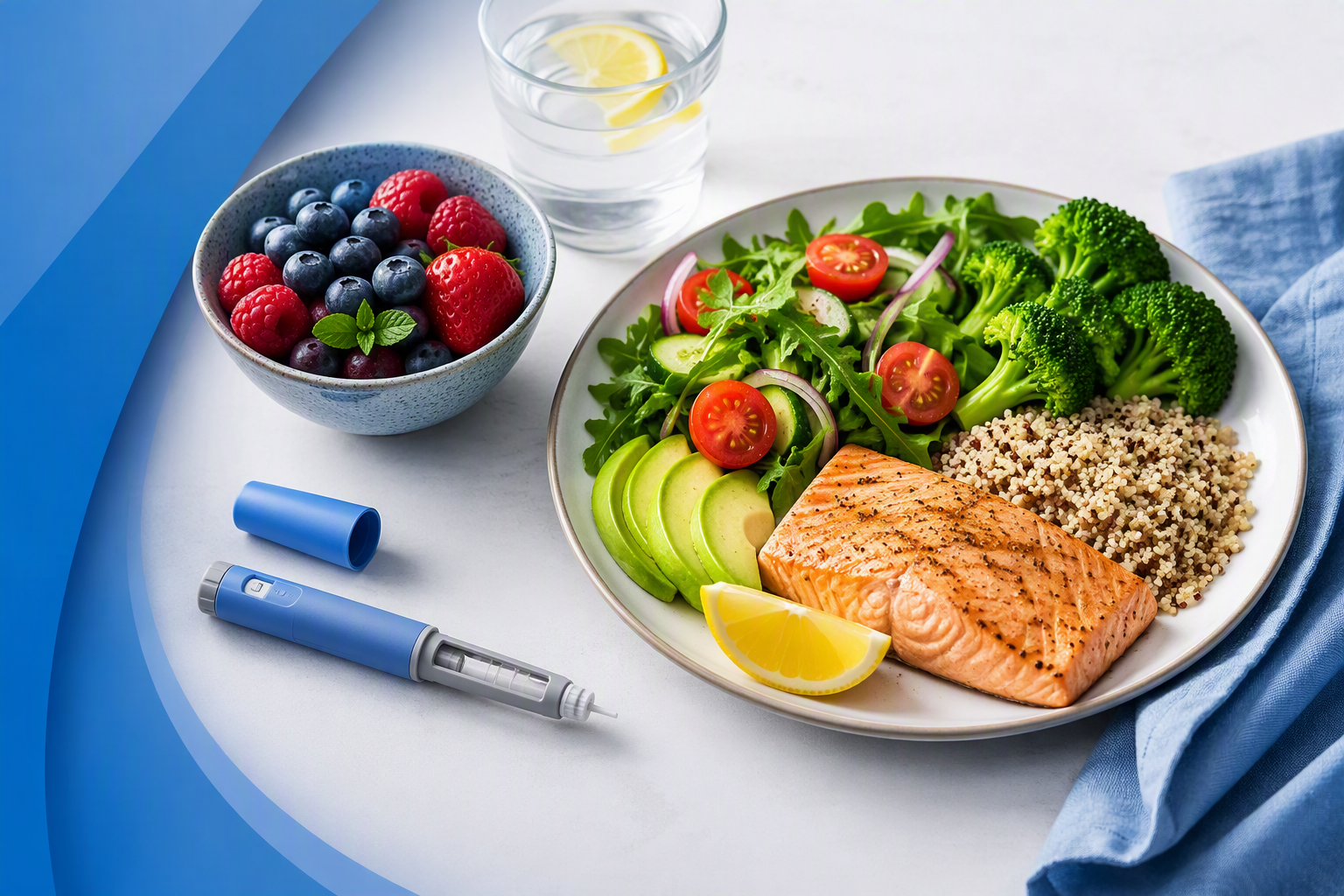
Start with small portions of protein, then add tolerated produce, grains, or another source of fiber. Drink regularly throughout the day. Choose an amount you can finish without pressure, nausea, or pain rather than trying to complete a conventional full-size meal.
There is no mandatory Ozempic menu. Semaglutide can work regardless of meal timing, so an injection does not need to be paired with a specific meal. Unless your clinician has given different instructions, there is no need to fast before taking it.
Ozempic can reduce appetite and slow stomach emptying. As a result, a serving that once felt normal may become uncomfortable. Large or high-fat meals may feel particularly heavy, especially after a long gap without food.
We recommend this basic approach:
- Begin with a small serving of protein.
- Add a modest portion of produce, grains, or another fiber source.
- Eat slowly and pause between bites.
- Stop when you first feel comfortably full.
- Refrigerate the remainder for later.
Foods that may work well include eggs, plain Greek yogurt, cottage cheese, fish, tofu, beans, oats, rice, potatoes, soft fruit, and cooked vegetables. These are practical options, not a list of requirements. Symptoms, preferences, medical conditions, and the rest of your treatment plan should shape what goes on the plate.
We do not set one calorie or protein target for everyone. Nutritional needs vary with age, body size, activity, health history, kidney function, diabetes treatment, and treatment goals. A registered dietitian or prescribing clinician can help set an individual target when needed.
A simple small-meal formula
Use three parts to build a manageable meal.
Part 1: Choose a protein.
- Egg
- Plain Greek yogurt
- Cottage cheese
- Fish
- Tofu
- Beans or lentils
- Shredded chicken
- Tuna or salmon
Part 2: Add a tolerated carbohydrate or fiber source.
- Cooked vegetables
- Soft fruit
- Oats
- Rice
- Potato
- Whole-grain toast
- Crackers
- Applesauce
Part 3: Include fluid.
Sip water regularly. If drinking with food makes you uncomfortably full, take smaller sips during the meal and drink more between meals. Follow any fluid restrictions your clinician has prescribed.
Breakfast might be an egg with toast or a small serving of yogurt and fruit. Lunch could be part of a turkey sandwich or a small bowl of chicken and rice soup. For dinner, try fish or tofu with rice and cooked vegetables.
Treat these as starting ideas, not maximum portions. Eat more if you remain hungry and the meal feels comfortable.
Why eating less is not the whole goal
Ozempic may make it easier to eat less, but the goal is not to consume as little as possible.
When appetite drops, it can become harder to get enough protein, fiber, fluid, vitamins, and minerals. Persistently poor intake may contribute to weakness, dehydration, constipation, and loss of lean tissue. Eating less does not automatically mean eating well.
We advise against combining Ozempic with a crash diet, prolonged fasting, or forced gaps between meals simply to move the scale faster. That can turn reduced appetite into a nutritional problem.
Instead, aim to get useful nutrition from smaller amounts of food. Protein matters, but it does not have to arrive in one oversized serving. Several small meals and protein-containing snacks may be more comfortable than one large dinner.
Changes in body fat and lean tissue can also affect appearance during weight loss. Our guide to Ozempic face causes, prevention, and treatment options explains why changes in the face need more context than a number on the scale.
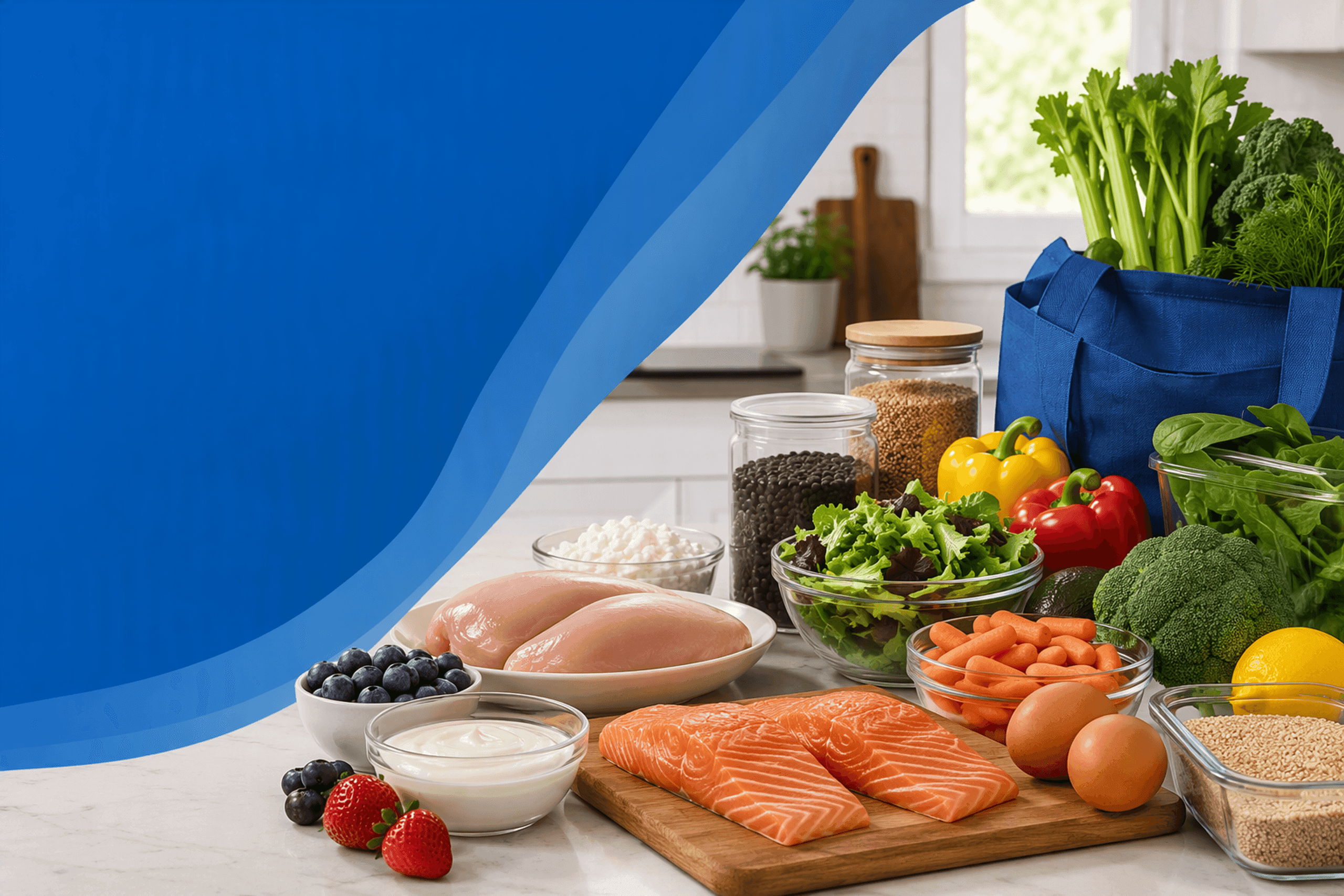
Grocery list for the GLP-1 first month
A familiar grocery routine may no longer fit after starting Ozempic. Large packages can spoil before you finish them, dense meat may feel too heavy, and produce intended for full-size salads can go unused.
We recommend shopping for a shorter period while you learn how your appetite responds. Select a few foods from each group rather than buying everything on the list. Small packs, frozen produce, shelf-stable protein, and foods that freeze well can reduce waste while giving you choices on low-appetite days.
Protein
Protein can be difficult to finish when appetite falls. Soft foods and small servings often take less effort than a dense piece of meat.
Useful choices include:
- Eggs
- Plain Greek yogurt
- Cottage cheese
- Cheese sticks
- Tuna or salmon pouches
- Frozen fish fillets
- Tofu
- Canned beans
- Lentils
- Shredded chicken
- Lower-sugar protein drinks
- Nut butter packets
Eggs, yogurt, cottage cheese, tofu, fish, and shredded chicken can be easier to manage when chewing meat feels unpleasant. Pouches and individually frozen portions also make it possible to prepare less food at once.
A protein drink may help on a low-appetite day. Start with a small amount and store the remainder according to its label. Large or highly sweetened shakes may increase fullness or aggravate digestive symptoms for some people.
Shakes do not need to replace every meal. Whole foods provide varied nutrients, flavors, and textures. If you can consume only liquids because solid food repeatedly causes discomfort, let your prescriber know.
Produce and grains
Produce still belongs on a GLP-1 grocery list, but it does not have to mean a large raw salad. Cooked, canned, frozen, and soft foods may be easier when nausea or bloating is active.
Consider a few of these:
- Bananas
- Unsweetened applesauce
- Berries
- Canned fruit packed in juice
- Frozen fruit
- Frozen vegetables
- Cooked carrots
- Potatoes
- Oats
- Rice
- Whole-grain toast
- Plain crackers
- Dry cereal
Large servings of raw cabbage, bran, beans, or salad may increase gas and pressure in some people. That does not make these foods unhealthy. The portion, preparation, or timing may simply need to change.
Start with cooked vegetables, soft fruit, oats, rice, or potatoes if your stomach feels unsettled. Add tougher raw produce in small amounts as symptoms improve.
Canned and frozen foods are useful backups because they last longer. Drain canned fruit if its sweetness worsens nausea or diarrhea. Thaw a small amount of frozen fruit for yogurt or oatmeal rather than preparing a full bowl.
Snacks, fluids, and nausea-friendly staples
Keep several options that require little or no preparation. Low appetite can make cooking feel like more work than the resulting meal is worth.
Useful staples include:
- Individual yogurt cups
- Cottage cheese cups
- Cheese sticks
- Nut butter packets
- Plain crackers
- Dry cereal
- Soup
- Broth
- Ginger tea
- Lower-sugar protein drinks
- Oral rehydration solution when medically appropriate
Water can meet most routine hydration needs. Unsweetened tea and broth provide alternatives. After vomiting or diarrhea, an oral rehydration drink may help replace fluid and electrolytes. People with kidney, heart, blood pressure, or blood sugar concerns should ask a clinician or pharmacist which product is appropriate.
Very sweet drinks may worsen diarrhea in some people. Drinking a large volume quickly can also increase fullness, so take small sips and note how you respond.
Pair plain foods with protein when possible. Crackers may settle the stomach temporarily, while crackers with egg, yogurt, tofu, or shredded chicken provide a more substantial snack.
How to buy less and waste less
Shop in small quantities until you understand how appetite and symptoms change across the week. A short shopping cycle makes it easier to adjust before food spoils.
Choose items that divide or freeze easily:
- Individually wrapped fish
- Frozen vegetables and fruit
- Small portions of rice
- Bread that can be frozen
- Soup stored in small containers
- Shredded chicken divided into meal-size portions
- Small containers for leftovers
Package leftovers promptly and follow current food-storage guidance. Freeze anything you are unlikely to eat soon, and do not depend on smell alone to decide whether food is safe.
At a restaurant, move part of the meal into a takeout box before eating if the serving looks too large. At home, divide a recipe into small containers before sitting down. This makes the next portion clear and turns leftovers into an easy meal rather than another task.
Use this grocery table as a starting point. Pick a few items from each group based on your preferences and symptoms.
| Group | First-month options | Storage approach |
|---|---|---|
| Protein | Eggs, Greek yogurt, cottage cheese, tuna or salmon pouches, frozen fish, tofu, beans, lentils, shredded chicken, protein drinks | Buy small packs and freeze fish or chicken in individual portions. |
| Soft produce | Bananas, applesauce, berries, canned fruit, cooked carrots | Buy a small amount fresh and keep canned or frozen backups. |
| Frozen produce | Frozen berries, peas, green beans, carrots, mixed vegetables | Remove only what is needed for the next meal. |
| Grains and starches | Oats, rice, potatoes, whole-grain toast, crackers, dry cereal | Freeze bread and choose smaller packages where practical. |
| Small snacks | Cheese sticks, yogurt cups, nut butter packets, cottage cheese cups | Individually portioned foods may reduce waste. |
| Fluids | Water, unsweetened tea, broth, ginger tea, appropriate oral rehydration solution | Sip regularly and follow any clinician-set limits. |
| Nausea backups | Toast, crackers, rice, banana, applesauce, soup | Keep a few shelf-stable options available. |
Small, protein-forward meals when you fill up fast
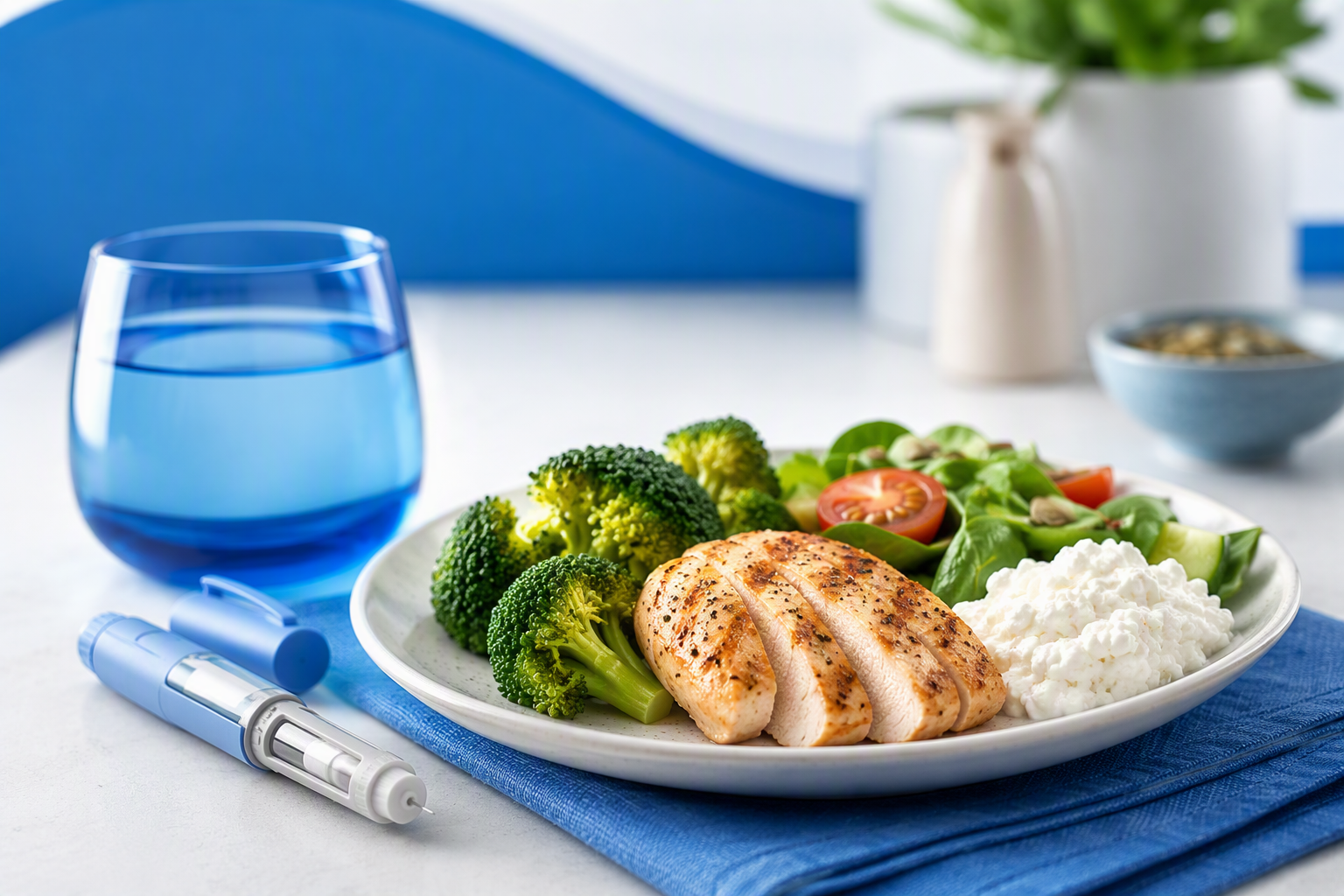
A rigid weekly menu may not work when appetite changes from one day to the next. We prefer mix-and-match meals that let you alter the portion, temperature, and texture without abandoning the plan.
When tolerated, spread protein across small meals and snacks. This can be easier than trying to finish a large chicken breast or shake at dinner.
The examples below are flexible ideas rather than prescribed portions.
Breakfast and snack ideas
Breakfast can be small and still contribute useful nutrition.
Try:
- An egg with toast
- A small Greek yogurt with soft fruit
- Cottage cheese with applesauce or berries
- Oatmeal made with milk
- A small smoothie made with yogurt
- A cheese stick with crackers
- Part of a protein drink
- Toast with a thin layer of nut butter
If a full yogurt, smoothie, or bowl of oatmeal feels uncomfortable, split it into two sittings and refrigerate the remainder promptly.
Smoothies can become unexpectedly large. Keep the recipe simple: yogurt or milk, plus a modest amount of soft or frozen fruit. Avoid filling a large blender with several servings when you already fill up quickly.
On higher-appetite mornings, add more toast, oats, or fruit. On lower-appetite mornings, begin with a few spoonfuls of yogurt or several bites of egg. The amount can change without making the meal a failure.
Lunch and dinner ideas
Lunch and dinner do not need separate rules. Soup can be dinner, and fish with potatoes can be lunch.
Options include:
- Chicken and rice soup
- Tuna with crackers
- Tofu with rice
- Fish with a small potato
- Shredded chicken with cooked vegetables
- Part of a turkey sandwich with cucumber
- Lentil soup
- Egg salad on toast
- Cottage cheese with soft fruit and toast
- Beans with rice
If fried food or rich sauces trigger symptoms, try baking, poaching, steaming, grilling, or air-frying with less added fat. The food does not have to be dry, but heavy sauces may make a small serving feel harder to tolerate.
When meat feels dense, try eggs, yogurt, cottage cheese, tofu, beans, lentils, or fish. Shredded chicken in broth may also be more comfortable than a thick cut of meat.
Plan for leftovers. A sandwich may become two meals, while a restaurant entrée could cover dinner and a later lunch. What matters is getting enough nutrition without eating past comfortable fullness.
How to stop before discomfort starts
Fullness may appear sooner while taking Ozempic. The last comfortable bite can come well before the plate is empty.
Try this process:
- Take small bites.
- Chew thoroughly.
- Put the utensil down between bites.
- Pause and notice how your stomach feels.
- Watch for pressure, burping, nausea, or loss of interest in food.
- Stop when an early fullness signal appears.
Do not wait for pain or pronounced nausea. Feeling comfortably full is enough reason to stop. Forcing yourself to clear the plate may turn a tolerable meal into prolonged discomfort.
Store the remainder safely instead of leaving it out until hunger returns. It can become a snack or another meal.
What to eat when Ozempic causes nausea or low appetite
When nausea starts, prioritize small amounts of fluid and bland food. Add protein in a form you can tolerate, but do not force a full meal.
Crackers and toast are common starting points, not the only choices. Once bland food stays down, try yogurt, egg, cottage cheese, tofu, shredded chicken in broth, or part of a lower-sugar protein drink.
Cool or room-temperature foods may be easier when cooking smells worsen nausea. Yogurt, cottage cheese, applesauce, a cold sandwich, or chilled tofu may feel more manageable than a hot meal.
Contact your prescriber before changing or skipping a dose. Symptoms can relate to dose changes, other medicines, eating patterns, or an unrelated illness.
A step-by-step nausea day
Begin with small sips of water, broth, or an appropriate oral rehydration drink. Avoid finishing a large glass quickly if that increases nausea.
Then work through these steps:
- Take several small sips.
- Pause to see whether the fluid stays down.
- Try a few bites of crackers, toast, rice, banana, or applesauce.
- Add a small amount of protein.
- Repeat manageable portions rather than preparing one large meal.
Protein options include egg, yogurt, cottage cheese, soft tofu, shredded chicken in broth, or part of a protein drink. Store any remainder according to food-safety instructions.
While symptoms are active, avoid meals that are large, fried, rich, or paired with alcohol. These may add to fullness, reflux, nausea, or dehydration.
If nausea follows a pattern after each injection, keep a brief record. Note the dose day, when symptoms began, what you ate, and whether fluids stayed down. We find that a clear symptom log gives the prescriber more useful information than a general statement that the week felt difficult.
When vomiting or diarrhea needs medical advice
Seek prompt medical guidance if vomiting continues, you cannot keep fluids down, urination decreases, or you develop dizziness or other signs of dehydration.
Severe or persistent abdominal pain needs urgent medical assessment, especially when it occurs with vomiting or extends toward the back. Follow the medication information and your prescriber’s instructions for warning signs.
Contact the care team if diarrhea remains severe, blood appears in vomit or stool, symptoms repeatedly return, or food and fluid intake stay low. Do not manage ongoing symptoms by repeatedly skipping or changing doses without medical direction.
Fiber, fluids, and constipation: increase slowly
“Eat more fiber” is only part of the answer. Adding a large amount at once can worsen gas, pressure, and bloating, particularly when appetite and digestion have already changed.
Increase fiber gradually and keep fluid intake steady unless your clinician has set a limit. More fiber without adequate fluid may not relieve constipation and can make some people feel worse.
Fiber-containing options include:
- Oats
- Kiwi
- Prunes
- Pears
- Beans
- Lentils
- Cooked vegetables
- Whole grains
Start with one change. Avoid adding bran cereal, beans, prunes, and a supplement on the same day. If symptoms develop, you will not know which change caused them.
Food may not resolve persistent constipation on its own. Ask a clinician or pharmacist which treatment is compatible with your health history and medicines rather than assuming every laxative or supplement is suitable.
A gradual fiber plan
Add one fiber-rich food at a time and keep the initial portion modest.
A simple progression might be:
- Add oats at breakfast.
- Track bowel movements, gas, pain, and fullness.
- If tolerated, add cooked vegetables to a meal.
- Later, try beans, lentils, pear, kiwi, or prunes.
- Scale back the latest change if symptoms worsen.
We recommend tracking your response instead of rushing toward a fixed number. A theoretical target is not helpful if bloating becomes severe enough to interfere with eating and drinking.
Raw vegetables are not required. Cooked carrots, green beans, squash, and other soft vegetables still contribute fiber. Add tougher raw foods as tolerated.
Hydration basics
Sip fluids throughout the day. If a large drink makes meals uncomfortable, shift more of your fluid intake between meals.
Options include:
- Water
- Unsweetened tea
- Broth
- Ginger tea
- An oral rehydration drink when appropriate
Oral rehydration products can help after significant vomiting or diarrhea, but their sugar and electrolyte content varies. Ask a clinician or pharmacist which option fits your needs.
Kidney, heart, or liver disease and some medicines can change fluid recommendations. Follow the target or restriction set by your treating clinician.
Reduced urination, dark urine, dizziness, dry mouth, marked thirst, and weakness can accompany dehydration. Persistent symptoms warrant medical review, particularly when vomiting or diarrhea continues.
Foods that may make side effects worse
There is no universal list of foods banned with Ozempic. We suggest thinking in terms of foods to limit or test carefully based on symptoms.
Potential triggers include:
- Large meals
- Fried foods
- High-fat sauces
- Very spicy foods
- Alcohol
- Large amounts of added sugar
- Very sweet drinks
Responses vary. One person may tolerate a small burger but feel uncomfortable after a large salad. Another may manage raw vegetables but develop reflux after a rich sauce.
Keep a short record of the food, portion, cooking method, timing, and symptoms. Portion and preparation may matter as much as the food itself. A smaller serving may sit well even when a full serving does not.
Can I eat a hamburger while on Ozempic?
A hamburger is not automatically forbidden. It may fit if it aligns with your treatment plan and does not worsen symptoms.
To make it easier to tolerate:
- Choose a smaller burger.
- Consider a leaner patty.
- Limit fried toppings, bacon, and rich sauces.
- Select a modest side.
- Eat slowly.
- Stop when fullness starts.
- Save what you do not finish.
A large burger with fries and a sweet drink presents a different portion and fat load from a smaller burger with a simple side. If burgers repeatedly cause nausea, reflux, diarrhea, or pain, choose another protein until symptoms settle.
Match the change to the symptom
For reflux, reduce meal size and avoid lying down soon after eating. Track whether spicy foods, alcohol, chocolate, peppermint, or high-fat meals act as personal triggers.
For diarrhea, limit greasy foods, alcohol, and very sweet drinks if they make symptoms worse. Replace fluids gradually and seek advice if diarrhea persists or causes signs of dehydration.
For bloating, reduce portions and add beans, bran, raw vegetables, and large whole-grain servings more slowly. Cooked produce and soft starches may be easier temporarily.
For nausea, try cool foods, bland starches, and small protein servings. Avoid strong cooking smells if they trigger symptoms.
For constipation, increase fiber and fluid in stages. Ask the care team about treatment if food changes do not help.
Injection-day meals and meal timing
Semaglutide works regardless of meal timing, so injection day does not require fasting or a special meal. Follow the dosing instructions supplied with your prescription and any individual guidance from your clinician.
If nausea tends to increase after a dose, eat familiar foods in smaller amounts. Injection day is not an ideal time to test a large, rich meal.
Ask your prescriber before changing the dosing day, particularly if other diabetes medicines follow a specific schedule.
A simple injection-day plan
Keep meals predictable and adjust their size to your appetite.
A practical plan might include:
- Breakfast: egg with toast or a small yogurt
- Lunch: chicken and rice soup
- Snack: cheese or part of a protein drink
- Dinner: fish or tofu with rice and cooked vegetables
- Fluids: small, regular sips
Keep crackers, applesauce, broth, yogurt, and an easy protein available in case nausea develops later.
Record when symptoms begin after each dose, including nausea, vomiting, constipation, diarrhea, reflux, and appetite changes. A recurring pattern can help the prescriber assess how well the dose is tolerated.
What if appetite changes through the week?
Use smaller, softer meals on low-appetite days. Yogurt, eggs, soup, tofu, cottage cheese, oatmeal, and shredded chicken can reduce the effort required to eat.
On higher-appetite days, return to more complete balanced meals. Avoid compensating for several low-intake days with one very large meal, which may worsen fullness, reflux, or nausea.
Meal timing can remain flexible unless your diabetes treatment or clinician-set plan requires a schedule. People taking medicines that can lower blood sugar may need specific guidance because missed or delayed meals can affect glucose levels.
Weight loss goals without a crash diet
No food trick guarantees faster weight loss on Ozempic. Severe restriction may reduce scale weight while also compromising fluid, protein, and overall nutrient intake.
Responses differ according to the dose, treatment duration, starting weight, health history, activity, sleep, other medicines, and adherence. Side effects also influence what someone can eat consistently.
We recommend focusing on repeatable actions:
- Take the medicine as prescribed.
- Attend follow-up visits.
- Include tolerable protein in small meals.
- Drink enough fluid for your medical needs.
- Add fiber gradually.
- Move as medically appropriate.
- Report side effects before they disrupt basic intake.
- Avoid crash diets and unapproved weight-loss products.
Do not assume all GLP-1 products, compounded products, or online offerings are interchangeable. Our review of peptides for weight loss, including what works and what carries risk explains why evidence, product quality, and the prescription source matter.
New oral GLP-1 research can also create confusion about what is available. Our orforglipron patient guide covers its regulatory status, dosing, safety, cost, and availability without presenting it as a substitute for an existing prescription.
Signs the plan is too restrictive
Persistent weakness, dizziness, reduced urination, frequent vomiting, or an inability to manage basic meals warrants clinician review. These are not signs that you should restrict food further.
Rapid weight change combined with poor food and fluid intake does not prove that a plan is working well. A scale cannot show hydration, nutrient intake, lean tissue, or the cause of ongoing symptoms.
A clinician or registered dietitian can tailor the plan when general guidance does not fit. Individual support is especially useful for people with diabetes, kidney or heart disease, pregnancy plans, an eating-disorder history, or other needs that affect food and fluid choices.
What can you not mix with Ozempic?
There is no standard list of foods that chemically cannot be mixed with Ozempic. The more relevant concerns are medicines, alcohol, side effects, and the conditions being treated.
Review every prescription, over-the-counter medicine, vitamin, herb, and supplement with your prescriber or pharmacist. A general article cannot provide a complete personal interaction check.
Some diabetes medicines can raise the risk of low blood sugar when taken with Ozempic. Any dose adjustment belongs with the prescribing clinician. Do not reduce or stop another diabetes medicine independently.
Because Ozempic slows stomach emptying, ask a pharmacist or prescriber whether it affects the timing or monitoring of any oral medicine you take.
Use caution with alcohol. It may worsen nausea, vomiting, diarrhea, dehydration, or blood sugar problems. Appropriate limits depend on your health history, diabetes control, other medicines, and care plan.
Know the signs of low blood sugar
Possible symptoms include:
- Sweating
- Shaking
- Hunger
- Fast heartbeat
- Dizziness
- Weakness
- Confusion
- Irritability
If your treatment includes a medicine that can cause low blood sugar, ask for a clear plan covering glucose checks, treatment, rechecking, and when to get help.
Severe confusion, seizure, or loss of consciousness requires emergency assistance. Do not give food or drink by mouth to someone who is unconscious.
When to contact the care team
Contact your prescriber for persistent side effects, poor fluid intake, repeated low blood sugar, severe constipation, dose-timing questions, or difficulty eating basic meals. Seek urgent care for severe symptoms identified in your medication instructions.
Ask a pharmacist to review prescriptions, supplements, and over-the-counter products together. Bring a complete written list so nothing is overlooked.
Temi patients can use our care pathway for prescription questions, refill needs, side-effect review, and follow-up. We recommend reaching out early instead of changing the dose or schedule without guidance.
FAQ
How do I speed up weight loss on Ozempic?
There is no safe food shortcut that guarantees faster weight loss. We recommend taking Ozempic as prescribed, eating tolerable protein, maintaining fluid intake, moving as medically appropriate, and attending follow-up visits. Avoid crash diets and prolonged fasting, which may contribute to weakness, dehydration, poor nutrition, and loss of lean tissue.
Can I lose 20 pounds in three months on Ozempic?
No specific amount can be promised. Results vary with starting weight, dose, treatment duration, health history, activity, other medicines, and adherence. Ask your prescriber to set an appropriate goal. Rapid loss accompanied by vomiting, dehydration, weakness, or poor food intake needs medical review.
What can you not mix with Ozempic?
There is no standard banned food. Review medicines and supplements with a prescriber or pharmacist because some combinations require closer blood sugar monitoring or dose adjustments. Alcohol may aggravate digestive symptoms, dehydration, or glucose problems. Do not change another medicine without clinical guidance.
Can I eat a hamburger while on Ozempic?
Yes, if it fits your care plan and does not worsen symptoms. A smaller, leaner burger with fewer rich toppings may be easier to tolerate. Eat slowly and stop when fullness begins. Portion size, preparation, and individual tolerance matter more than labeling the food forbidden.
Do I need to eat before taking Ozempic?
No special meal is required, and semaglutide works regardless of meal timing. Follow the dosing instructions provided with your prescription. If nausea tends to occur after a dose, keep familiar small meals, bland foods, protein, and fluids available.
What should I eat when Ozempic makes me nauseated?
Start with small sips of water, broth, or an appropriate rehydration drink. Add crackers, toast, rice, banana, or applesauce. When those stay down, try egg, yogurt, cottage cheese, tofu, shredded chicken in broth, or part of a protein drink. Repeated vomiting or an inability to keep fluids down requires prompt medical advice.
Get help with your Ozempic prescription
Need a refill, side-effect review, or help understanding your dosing plan? Visit Temi to connect with our online prescription care pathway before changing or skipping a dose.