

TL;DR
“Ozempic face” describes facial volume loss, deeper folds, and loose skin that may become noticeable after weight loss. It is not a diagnosis or proof that someone uses Ozempic. Hydration, nutrition, and skin care may improve dryness or texture, but they cannot reliably restore lost facial fat or remove excess skin. Never change a GLP-1 dose without consulting the prescriber.
What Is “Ozempic Face”?
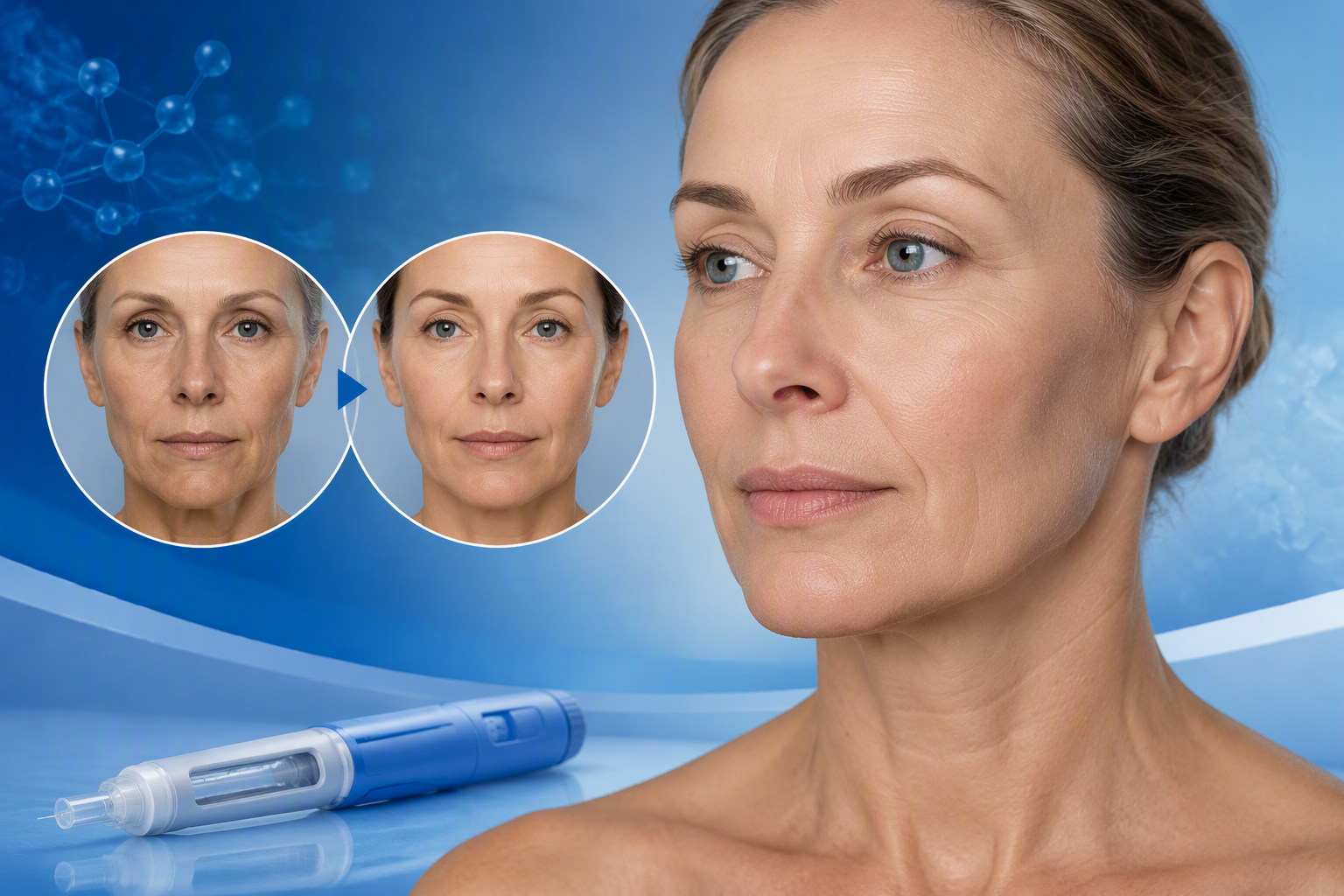
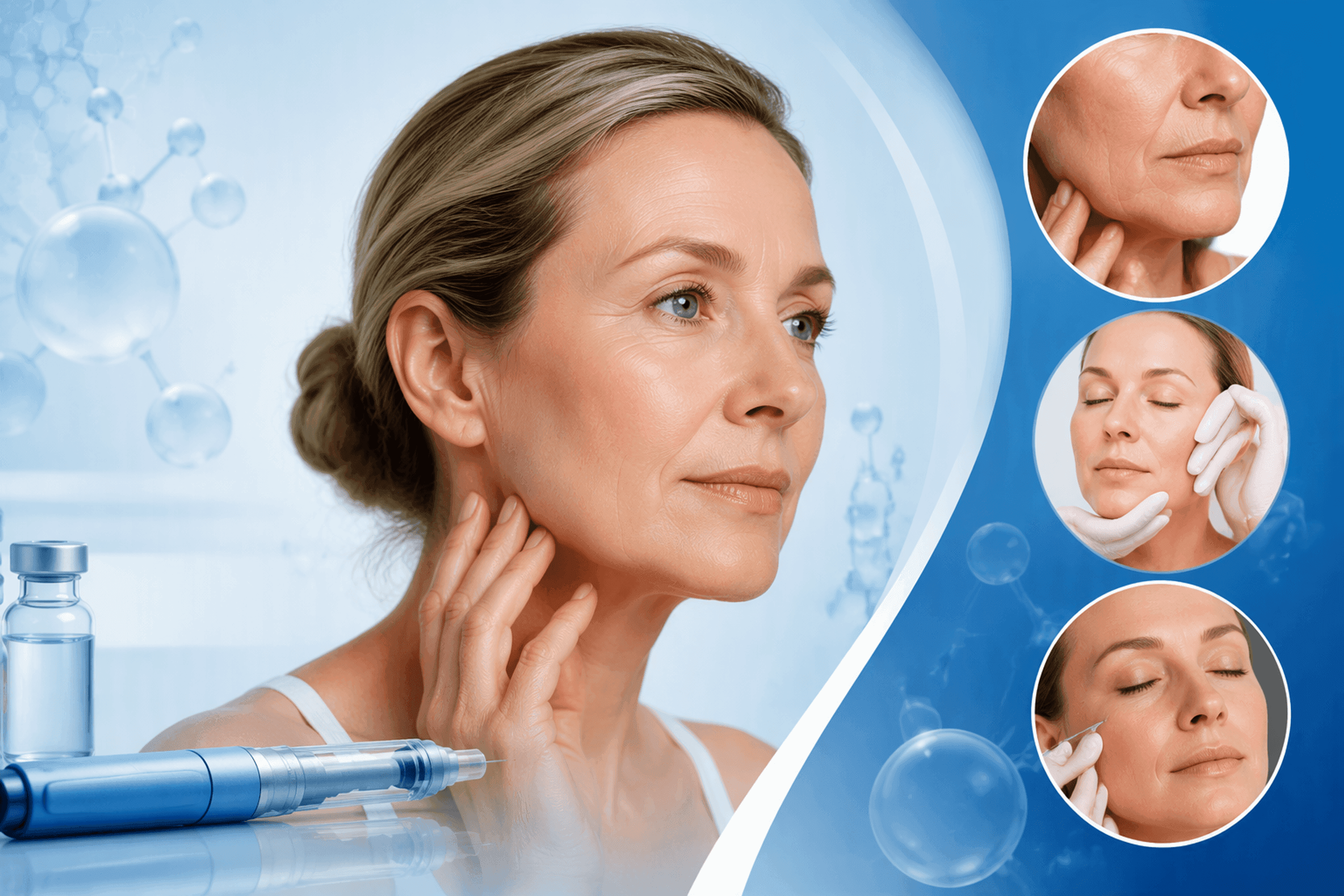
“Ozempic face” is a popular term for facial changes associated with weight loss. These can include flatter cheeks, hollow under-eye areas, deeper folds, a softer jawline, and loose skin around the face or neck.
It is not a medical diagnosis or an official adverse-effect term. Ozempic is a brand of semaglutide, but similar changes can follow weight loss caused by other medicines, bariatric surgery, restrictive diets, illness, or aging.
Facial Fat Loss and Loose Skin Are Not the Same
Facial fat provides shape and support beneath the skin. When that volume decreases, cheeks can flatten and existing folds may look deeper.
Loose skin occurs when the skin does not fully conform to the smaller amount of tissue beneath it. Age, genetics, smoking, sun exposure, weight history, and the amount of weight lost may all influence skin recoil.
Dryness is different again. Dehydrated or irritated skin can make fine lines more visible, but it does not remove facial fat. Moisturizer may improve dry skin without restoring cheek volume.
What a Thinner Face Cannot Tell You
A thinner face cannot reveal which medicine, if any, someone takes. Weight loss, aging, stress, illness, surgery, and other treatments can all alter facial shape.
We should not guess or disclose a person’s medical history based on appearance. Facial changes are not proof of Ozempic or other GLP-1 use.
Why Facial Changes Can Follow GLP-1 Weight Loss
The face often loses some fat as the body loses fat. Available research and clinical commentary do not establish that these changes are unique to Ozempic. The term simply connects a familiar effect of weight loss with a widely discussed medication.
The total amount of weight lost can matter, while faster loss may make the difference seem more sudden. Neither factor predicts exactly how someone’s face will change.
Other influences include:
- Age and genetics
- Starting facial volume
- Previous weight cycling
- Menopause
- Smoking
- Sun exposure and existing skin damage
Nausea, vomiting, or low food and fluid intake may also make the face look drawn. In those cases, dehydration or inadequate nutrition may need attention before any cosmetic concern.
Does Faster Weight Loss Cause “Ozempic Face”?
Fast weight loss can make changes in facial volume more noticeable over a short period. That does not mean speed is the only cause.
Slower loss also cannot guarantee that the face will remain unchanged. We recommend setting treatment goals around health, tolerability, and medical needs rather than a promised cosmetic outcome.
Normal Change Versus a Health Concern
Gradual changes in the cheeks or jawline may occur alongside overall weight loss. Facial changes accompanied by new physical symptoms deserve clinical review.
Seek prompt advice for:
- Dizziness or fainting
- Dark urine or very low urine output
- Repeated vomiting
- Severe weakness
- Inability to eat or drink
A drawn face alongside vomiting and dizziness calls for a hydration and medication review—not a cosmetic procedure.
Does Ozempic Face Go Away?
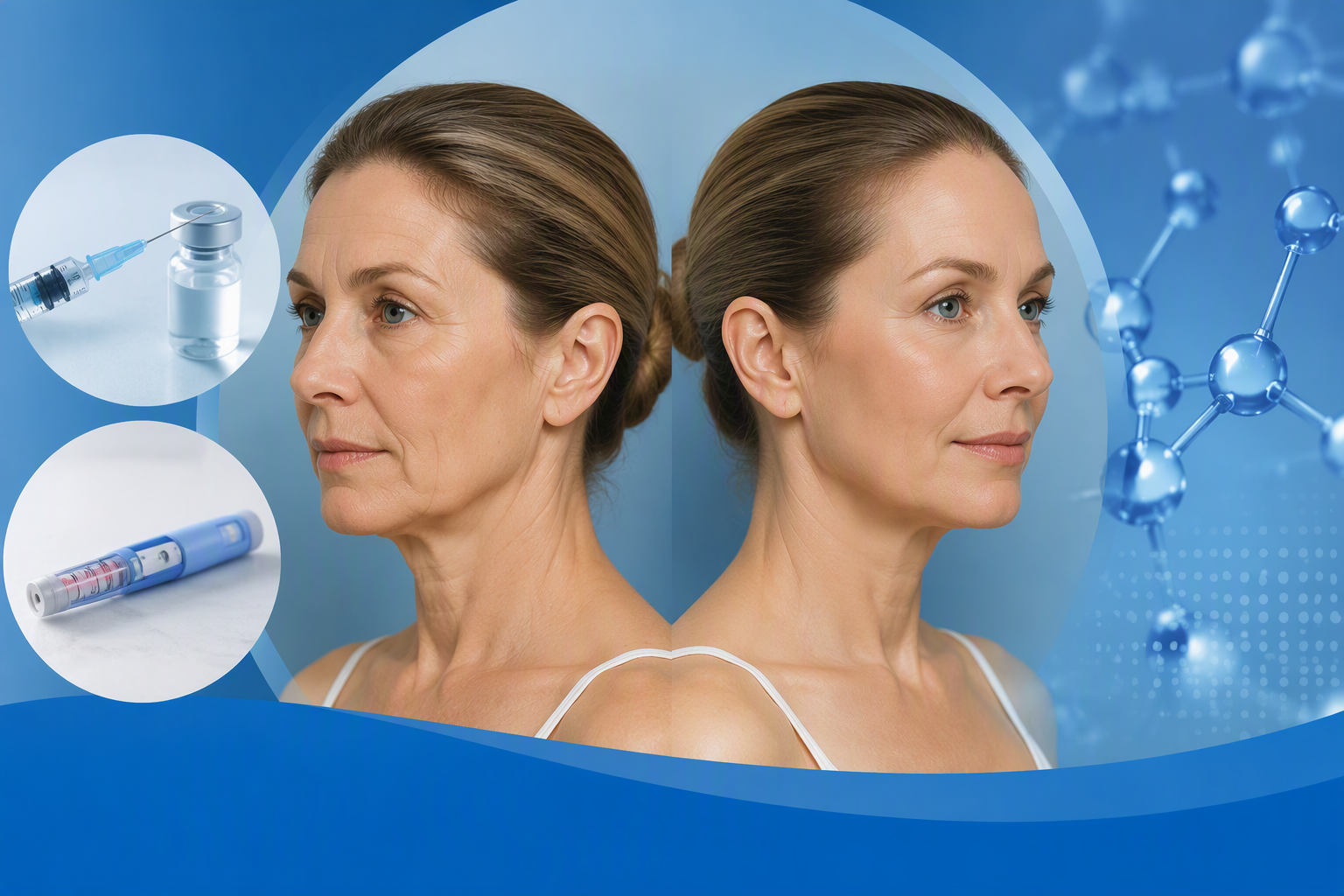
Some features may soften after weight, nutrition, and hydration stabilize. Lost facial fat or marked excess skin may remain.
The face may continue changing while weight is still falling, and there is no universal recovery timeline. Skin response varies with age, health, genetics, weight history, and total weight loss.
Stopping Ozempic does not guarantee that facial volume will return. Weight regain cannot be directed to the face and may work against the health goals behind treatment.
What May Improve
Dryness, short-term dehydration, and a drawn appearance caused by vomiting or poor intake may improve once the underlying issue is addressed. Consistent skin care may also improve texture.
Results should not be promised. We first recommend identifying whether the concern is dryness, volume loss, loose skin, or a combination.
What May Persist
Reduced cheek volume and deeper folds may remain after weight stabilizes. Loose skin can also persist, particularly when skin recoil is limited.
A dermatologist or qualified plastic surgeon can assess ongoing concerns and explain which options are realistic.
Can You Avoid Ozempic Face?
No routine can guarantee prevention. Patients should not skip, lower, space, or stop doses without speaking with their prescriber.
Nutrition, hydration, sleep, sun protection, and smoking cessation support general health and skin quality. They cannot ensure that facial fat stays in place.
Review the Treatment Plan With the Prescriber
A medication review may cover:
- Current dose and schedule
- Weight trend and treatment goals
- Nausea, vomiting, or other side effects
- Food and fluid intake
- Other health conditions or medicines
Anyone considering skipping injections because of facial changes should contact the prescriber first. The clinician can determine whether the current dose and treatment pace remain appropriate.
Patients using compounded medication may also consult these semaglutide vial checks before a refill. A label concern should still be discussed with the prescribing or dispensing team before changing treatment.
Support Skin and General Health
Helpful measures include:
- Following individualized nutrition guidance
- Drinking enough fluid unless a clinician has advised a restriction
- Using broad-spectrum sunscreen
- Avoiding smoking
- Adding resistance exercise when medically appropriate
Resistance exercise can help maintain or build muscle during weight loss. It cannot replace fat lost from the cheeks.
What Skin Care, Collagen, and Cosmetic Treatments Can Do
Skin texture, facial volume, and excess skin are different concerns. A moisturizer can reduce dryness, while retinoids may improve fine lines over time but can also cause irritation. Neither option replaces deep facial volume or removes significant excess skin.
Evidence for collagen supplements is limited and does not show that powders restore lost cheek fat. We recommend a clinical assessment before investing in cosmetic products or procedures.
Fillers and Other Volume Treatments
Dermal fillers can add volume to selected areas. Results depend on facial anatomy, the product and technique used, and whether weight is still changing. Maintenance may be needed.
Potential risks include swelling, bruising, infection, lumps, uneven results, and blood-vessel injury. Rare complications can be serious, so treatment should be performed by an appropriately qualified clinician.
Energy-Based Procedures and Surgery
Laser, ultrasound, and radiofrequency treatments may help with texture or some skin laxity. They do not replace every type of lost volume or remove all excess skin.
Surgery may remove or reposition tissue but involves scars, recovery, and medical risks. A stable weight can make it easier for a qualified surgeon to assess likely results.
Questions to Ask Before Paying
Ask:
- Who will perform the procedure?
- What training and credentials do they have?
- What is the full cost?
- Will maintenance or repeat visits be needed?
- What downtime should be expected?
- Who handles complications?
- What can the treatment not change?
Clear limits are more useful than broad promises.
Loose Skin After Weight Loss With GLP-1 Treatment
Loose skin after weight loss can affect the face, neck, abdomen, arms, thighs, breasts, and buttocks. It results from a reduction in the tissue beneath the skin and is not specific to semaglutide or any other GLP-1 medicine.
Age, genetics, weight history, pregnancy, smoking, sun exposure, and starting skin elasticity may influence the result. Exercise can build muscle beneath the skin, but it cannot remove excess skin.
Rashes, sores, odor, or recurring irritation beneath skin folds should be assessed by a clinician.
Will Loose Skin Tighten on Its Own?
Some skin recoil may occur after weight stabilizes, but the extent and timing vary. Larger areas of excess skin may not resolve without a procedure.
Creams can relieve dryness or friction. They cannot remove excess skin.
When Body-Contouring Care May Be Considered
An assessment may be useful once weight and overall health are stable. The clinician should discuss scars, recovery, future weight changes, cost, risks, and realistic limits.
Coverage varies, particularly when a procedure is considered cosmetic rather than medically necessary. We recommend choosing a clinician for relevant training and experience—not a device name or marketing claim.
When to Contact Your Prescriber
Contact the care team when facial changes occur with poor intake, persistent nausea, vomiting, weakness, or unplanned weight loss. These symptoms need medical evaluation rather than self-diagnosis.
For refill or medication concerns, patients can use our prescription support and help instead of changing a dose independently.
Symptoms That Need Prompt Review
Contact a clinician promptly for:
- Persistent vomiting
- Inability to keep fluids down
- Severe or lasting abdominal pain
- Very low urine output
- Fainting, confusion, or marked weakness
- Signs of an allergic reaction
Call emergency services for severe or urgent symptoms. Do not wait for an online refill appointment when immediate care is needed.
What the Prescriber May Review
The prescriber may assess the dose schedule, weight trend, other medicines, nutrition, hydration, and whether further testing is appropriate.
That review helps determine whether the current plan still fits the patient’s health needs, risks, and goals.
Ozempic Face Questions, Answered
These brief answers address common concerns but do not replace clinical advice.
Does Ozempic Face Go Away?
Dryness or a drawn appearance may improve once hydration, nutrition, and weight stabilize. Lost facial fat and excess skin may remain.
How Can You Tell if Someone Is on Ozempic?
You cannot tell from someone’s face, body, or weight change. Prescription use is private health information.
How Can I Avoid Ozempic Face?
No method guarantees prevention. Review weight changes, nutrition, side effects, dosage, and goals with the prescriber rather than changing treatment alone.
What Organ Is Ozempic Hard On?
There is no single correct answer. Persistent or severe symptoms may require assessment for dehydration or problems involving the digestive system, kidneys, gallbladder, or pancreas.
Patients seeking coordinated GLP-1 care can keep their medications and care details in one place with Temi. Our role is to support a safe, informed treatment plan—not promise a cosmetic result.
FAQ
Is Ozempic Face a Side Effect of Semaglutide?
It is not a formal diagnosis or official adverse-effect term. The phrase describes facial fat loss, deeper folds, and loose skin noticed after weight loss. Similar changes can follow other medicines, surgery, diet, illness, or aging.
Does Ozempic Face Go Away After Stopping the Drug?
Not necessarily. Dryness related to poor intake may improve, while lost facial fat or excess skin may remain. Never stop or change semaglutide without consulting the prescriber.
Can Drinking Water Prevent Ozempic Face?
No. Adequate fluid may prevent or improve dehydration, but it cannot stop facial fat loss or remove loose skin. Fluid needs should be discussed with the care team when vomiting, kidney disease, or a fluid restriction is involved.
Do Collagen Supplements Fix Loose Facial Skin?
Collagen supplements have not been shown to restore lost facial fat or remove excess skin. Review potential costs, limitations, and interactions with a clinician before taking them.
Should I Lower My GLP-1 Dose if My Face Changes?
Not without the prescriber. Facial changes alone do not show that a dose is unsuitable. The care team should review weight trends, side effects, food and fluid intake, and treatment goals first.
Review Your GLP-1 Treatment Plan
If facial changes come with side effects, poor intake, or concerns about your dosage, contact our online prescription and GLP-1 care team. We can review your medication plan and help determine the appropriate next clinical step.