TL;DR
For anyone asking how many 0.5 mg doses in Ozempic pen, the answer depends on the total amount of semaglutide shown on the specific pen label. If a new pen contains 2 mg in total and every injection is 0.5 mg, simple division gives four full doses:
2 mg total ÷ 0.5 mg per dose = 4 doses
Do not calculate from the liquid volume alone. Check the total milligrams, available dose settings, prescription, and dispensing label before using the pen.
How many 0.5 mg doses are in an Ozempic pen?
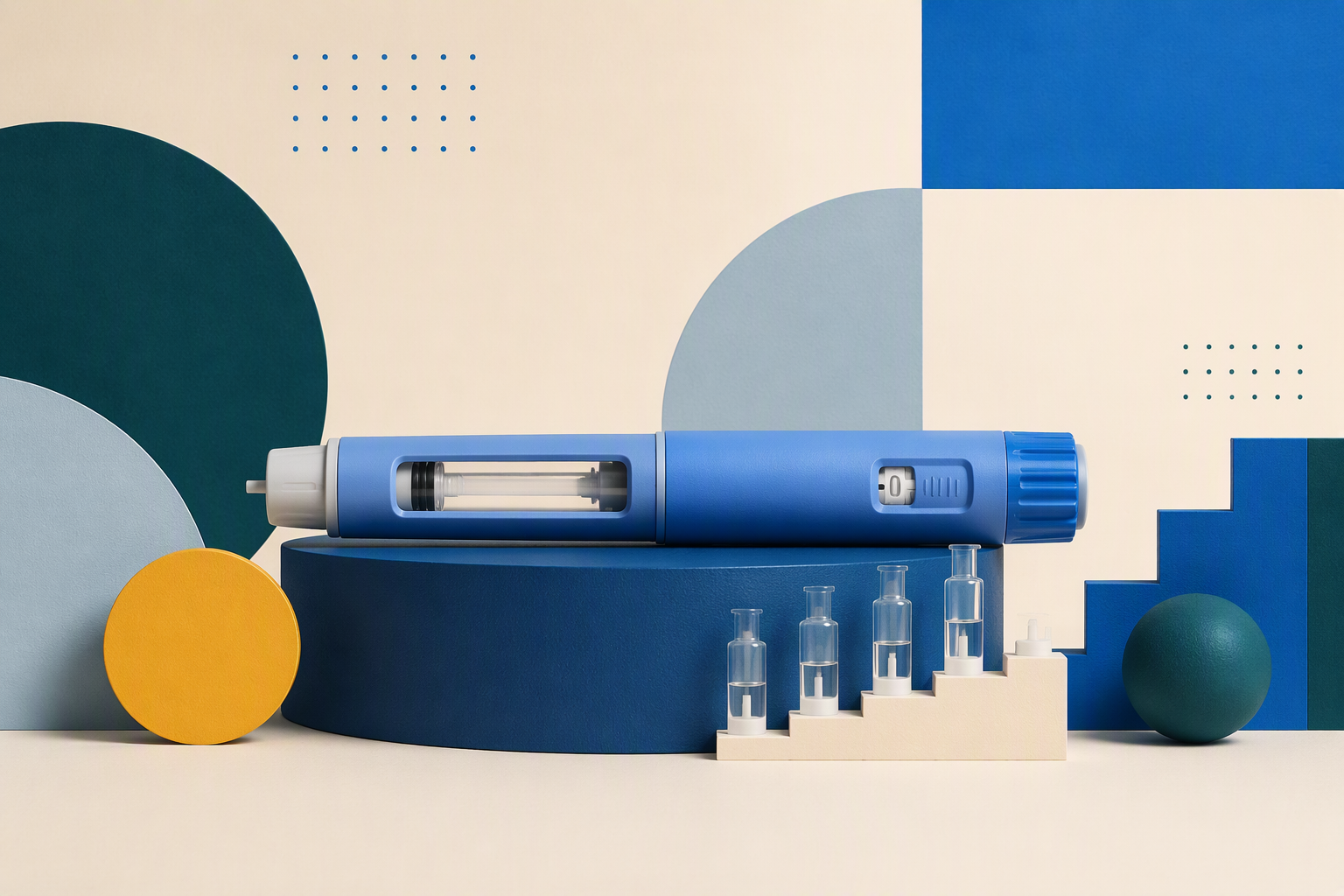
A pen containing 2 mg of semaglutide can supply four complete 0.5 mg doses, provided it is new and every injection taken from it is 0.5 mg.
The calculation is:
2 mg ÷ 0.5 mg = 4
That answer is conditional. Ozempic pens come in different presentations, and packaging may vary by market or over time. The number of doses must therefore be based on the total milligrams shown on the pen in hand—not a photo, an old article, or another patient’s pen.
Our Ozempic dosage chart provides more context on the different prescribed dose levels. The prescription and the pen’s official Instructions for Use should remain the primary references.
The short answer
If the label says the pen contains 2 mg total and the prescribed amount is 0.5 mg per injection, it contains four full 0.5 mg doses.
If smaller doses have already been taken from that pen, less medication will remain. Review the injection history rather than assuming a previously opened pen still contains all four doses.
Why injection counts can be confusing
People sometimes describe the number of injections in a pen without stating the amount delivered by each injection. That can create the false impression that every injection is a 0.5 mg dose.
A pen used for a combination of 0.25 mg and 0.5 mg injections will have a different injection count from one used only at 0.5 mg. We recommend recording each administered amount and date so that refill planning is based on what was actually used.
How to identify the 0.25 mg and 0.5 mg Ozempic pen
NovoCare identifies the red-label Ozempic pen as the presentation that delivers 0.25 mg or 0.5 mg doses. However, color should never be the only identifier.
Read the printed dose information on the carton, pen, and pharmacy label. Available presentations and package volumes may differ between countries or change over time. Online references may also show older packaging.
If the pen looks different from the one expected, compare it with the prescription before injecting. A pharmacist can confirm whether the correct product and strength were dispensed.
Which label numbers matter
Focus on three pieces of information:
- Total milligrams: The total amount of semaglutide in the pen
- Dose settings: The amounts the pen is designed to deliver
- Liquid volume: The quantity of solution, usually stated in milliliters
Total milligrams and the prescribed dose determine the number of complete doses. Milliliters describe liquid volume and cannot answer the question on their own.
For example, “3 mL” does not mean three injections. Pens with the same liquid volume can contain different amounts of semaglutide.
Why different pen volumes appear online
NovoCare materials may list a 1.5 mL presentation for the pen that delivers 0.25 mg or 0.5 mg, while other references may show different package details. Such differences are a good reason not to rely on a search result alone.
Use the exact label and Instructions for Use supplied with the medication. If the information is unclear, damaged, or written for another market, ask the dispensing pharmacy to verify it.
Dose math: milligrams, milliliters, and injections
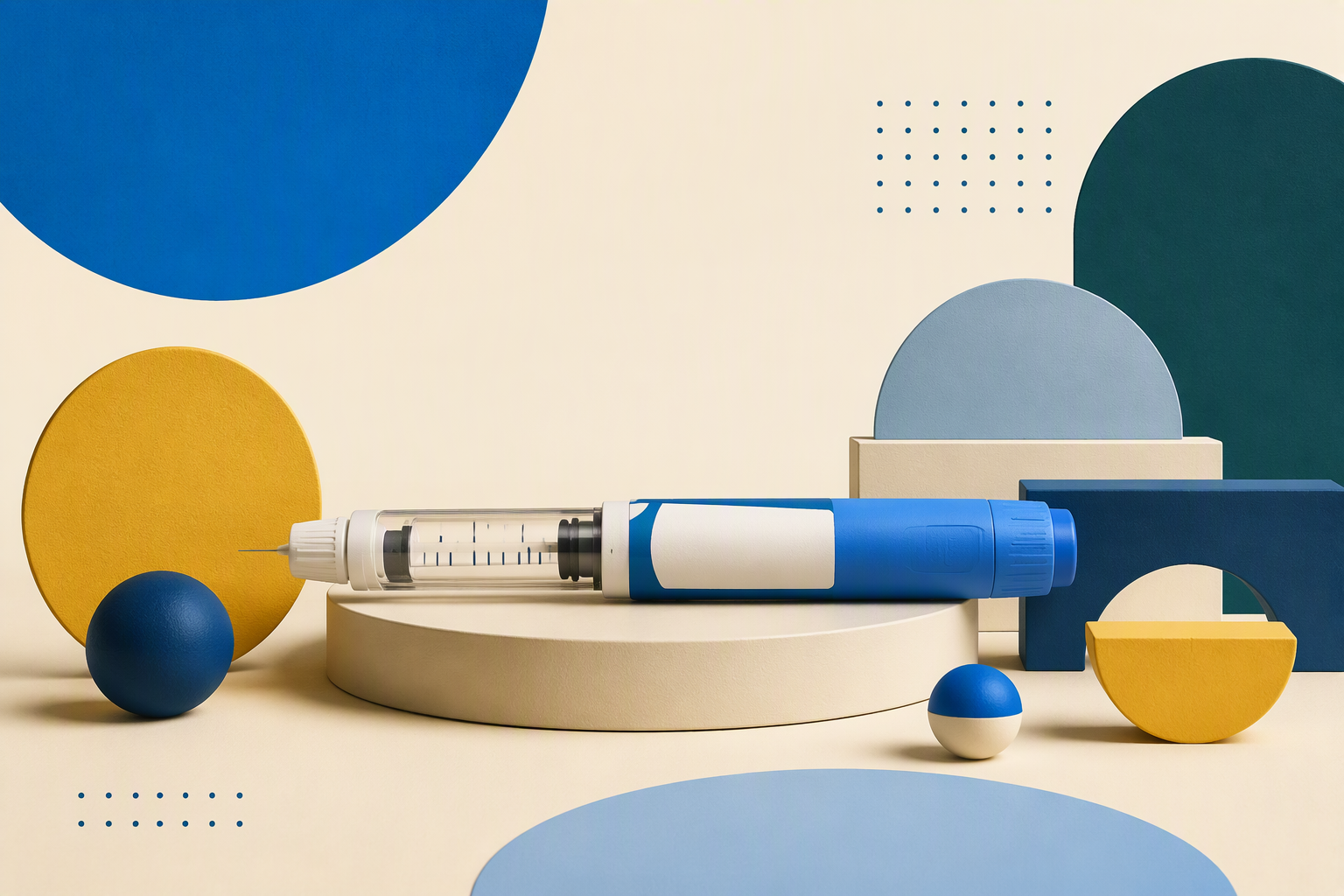
Milligrams and milliliters measure different things. Milligrams describe the amount of the active drug, while milliliters describe the volume of liquid carrying it.
To calculate the maximum number of complete doses mathematically, divide the total milligrams by the prescribed milligrams per injection:
Total drug amount ÷ amount per dose = number of complete doses
Only use this calculation when the prescribed amount is an official setting on that pen.
Four 0.5 mg doses from a new 2 mg pen
If the pen label confirms a total of 2 mg, the calculation is straightforward:
- Total semaglutide: 2 mg
- Amount per injection: 0.5 mg
- Calculation: 2 ÷ 0.5 = 4
The result is four complete 0.5 mg doses. It assumes the pen is new and has not already been used for another dose amount.
Mixed doses change the injection count
When a prescription includes more than one dose level, count the milligrams already administered before calculating what remains.
For example, several 0.25 mg injections use less medication than the same number of 0.5 mg injections. The pen may therefore provide more injections overall, but that does not mean it contains more 0.5 mg doses.
Do not change the amount based on how much medication appears to remain. Dose changes should come from the prescriber.
How many 0.25 mg doses could a 2 mg pen contain?
Pure arithmetic gives eight 0.25 mg amounts:
2 mg ÷ 0.25 mg = 8
This calculation describes capacity, not a treatment recommendation. It does not mean someone should continue taking 0.25 mg until the pen is empty. The prescribed schedule determines how the medication should be used.
Can you use a 1 mg Ozempic pen for a 0.5 mg dose?
We do not recommend improvising a 0.5 mg dose from a pen intended to deliver 1 mg. Use only the dose settings identified for the specific pen and authorized by the prescription.
If the prescribed amount changes or the wrong pen is dispensed, contact the prescriber or pharmacy before injecting. Do not rely on an unofficial conversion method.
Why click counting is not a safe dose method
Online instructions sometimes suggest counting clicks or using memorized dial positions to create a smaller dose. These methods are not a substitute for the labeled dose counter.
Pen designs and concentrations can differ. A click chart may relate to older packaging or a product sold in another country. We recommend using only an official dose setting shown on the correct pen.
The flow-check symbol is not a dose
A flow-check symbol is part of preparing a pen according to its Instructions for Use. It should not be treated as a 0.25 mg, 0.5 mg, 1 mg, or 2 mg injection setting.
Follow the instructions packaged with the pen. A pharmacist can demonstrate the device if any symbol or step is unclear.
How many doses are in the 1 mg and 2 mg Ozempic pens?
The answer comes from the total milligrams in the pen and its labeled dose setting. Do not use liquid volume as a shortcut.
A drug reference from Kaiser Permanente, for example, identifies an Ozempic presentation containing 8 mg in 3 mL and delivering 2 mg per dose. Dividing 8 mg by 2 mg gives four complete labeled doses.
The same method applies to another presentation only after its total amount and intended dose have been confirmed on the label.
Pen comparison table
| Information on the pen | What it tells us | How to use it |
|---|---|---|
| Total semaglutide in mg | Amount of active drug available | Divide by the prescribed labeled dose |
| Liquid volume in mL | Volume of solution | Do not use alone to count doses |
| Labeled dose setting | Amount designed to be delivered | Match it to the prescription |
| Pharmacy label | Patient-specific directions | Follow it unless the prescriber changes the plan |
Packaging may vary outside the United States. Always match the product label, pharmacy directions, and prescription.
Pen strength does not set a personal dose
The pen available at home does not determine the medically appropriate amount. A clinician chooses the dose according to the approved use and individual treatment plan.
Do not split, combine, raise, or lower doses to use up a particular pen. Contact the prescriber if the device does not support the currently prescribed amount.
What if the pen still has liquid or stops before 0.5 mg?
Visible liquid does not confirm that another complete dose remains. Never estimate the amount by looking through the pen window.
If the counter cannot reach the prescribed setting, stop and check the Instructions for Use. We recommend contacting the pharmacy rather than guessing, withdrawing liquid with a syringe, or attempting an unofficial partial dose.
Use the dose counter, not the liquid level
The dose counter is more useful than the apparent liquid level because it shows whether the intended setting can be selected.
A small visible amount may not be sufficient for another full injection. If the counter cannot display the complete prescribed dose, ask whether a new pen is required.
When to call the pharmacy or prescriber
Contact the pharmacy or prescriber when:
- The dispensed pen does not match the prescription
- The label is damaged or unclear
- The device appears damaged
- The medicine does not look as expected
- The counter cannot reach the prescribed setting
- A supply problem may delay the next injection
Early contact gives the pharmacy more time to investigate stock, insurance, payment, or prescription issues.
Plan the refill before the pen runs out
Record the date and amount of every injection. This simple habit makes it easier to estimate when the remaining complete doses will be used.
Before ordering, confirm the pen strength, prescription status, price, availability, and expected delivery date. Our guide to fills, refills, renewals, and prescription transfers explains how those requests differ.
Follow the storage, needle-use, and disposal directions supplied with the exact product. Ask a pharmacist about any pen that was stored incorrectly or exposed to unusual temperatures.
A four-dose refill example
When a new pen contains 2 mg and each prescribed injection is 0.5 mg, it supplies four complete doses. Record all four expected administration dates after beginning the pen.
Start arranging the refill before the final dose if shipping, stock, payment, or renewal requirements could cause a delay. Do not take smaller amounts simply to extend the supply.
What to do after a missed dose
Missed-dose instructions should come from the current prescribing information or the treating clinician. Do not double a dose or create a new schedule based on general online advice.
If treatment has been interrupted, tell the prescriber when the last injection was taken and what dose it contained. That information helps them provide patient-specific instructions.
Ozempic safety, coverage, and treatment questions
Ozempic is a prescription semaglutide injection used with diet and exercise to help control high blood sugar in people with type 2 diabetes. Treatment decisions should be made with a qualified clinician.
People assessing weight changes may find our review of Ozempic and weight-loss evidence helpful, but it does not replace medical advice or change the product’s approved uses.
Is Ozempic safe?
Ozempic has important risks and is not suitable for everyone. Its warning discusses thyroid C-cell tumors observed in rats, although it is not known whether the same effect occurs in humans.
According to the medication information, Ozempic should not be used by people with a personal or family history of medullary thyroid carcinoma or with multiple endocrine neoplasia syndrome type 2. Report symptoms such as a neck lump, difficulty swallowing, shortness of breath, or lasting hoarseness promptly.
What happens if someone stops taking Ozempic?
A person’s blood sugar, appetite, weight, or other treatment measures may change after stopping. The response depends on the individual and the broader care plan.
Do not restart an old pen or resume a previous dose without instructions after an extended interruption. Ask the prescriber for a clear stop or restart plan.
What is the maintenance dose after weight loss?
There is no dose calculation based solely on weight change. Ozempic dosing should follow the prescription and its approved clinical use.
Do not reduce the dose to stretch a pen or increase it because results seem slow. Concerns about effectiveness or side effects should be discussed with the treating clinician.
Does insurance cover Ozempic?
The amount paid can depend on the insurance plan. NovoCare advises checking whether the plan covers Ozempic and what the expected cost may be.
Our review of Blue Cross Blue Shield Ozempic coverage explains why benefits need to be checked against the specific plan. Cash-paying patients should confirm the price before processing the refill.
FAQ
Are there Ozempic tablets?
Ozempic is an injectable semaglutide product. Other semaglutide products may use different formulations and instructions, so they should not be treated as interchangeable. Any product change requires an appropriate prescription and clinician guidance.
How long does a 0.5 mg Ozempic pen last?
If a new pen contains 2 mg total and every injection is 0.5 mg, it provides four complete doses. How long that supply lasts depends on the prescribed schedule and whether the pen has already been used.
Can I use leftover liquid as another dose?
Do not estimate a dose from visible liquid. If the counter cannot reach the complete prescribed setting, ask a pharmacist whether a new pen is needed. Do not withdraw residue with a syringe or combine guessed amounts.
What should I do if my refill will arrive late?
Contact the pharmacy and prescriber as soon as the delay becomes clear. Confirm stock, delivery timing, payment status, and whether the prescription needs renewal. Seek patient-specific missed-dose instructions rather than changing the amount yourself.
Can I restart Ozempic at my previous dose?
Not without medical instructions after an extended gap. Tell the prescriber when treatment stopped, which dose was last taken, and whether side effects occurred. They can then advise on an appropriate restart plan.
Get help with your next refill
If the dose count, pen strength, or expected refill date does not match, resolve the issue before injecting. Contact Temi prescription refill support for help reviewing refill timing, renewal requirements, or prescription transfer options.