
TL;DR
The connection between tirzepatide gallstones and other gallbladder problems deserves attention, but it is not always straightforward. Tirzepatide prescribing information warns about acute gallbladder disease, including gallstones and gallbladder inflammation. Rapid weight loss can also increase gallstone risk.
We recommend prompt medical assessment for severe or persistent abdominal pain, especially when it occurs with fever, jaundice, dark urine, pale stools, dehydration, or repeated vomiting. Do not change treatment based on an online diagnosis. Contact the prescribing clinician for guidance, and use urgent or emergency care when warning signs are present.
Tirzepatide and gallstones: the short answer
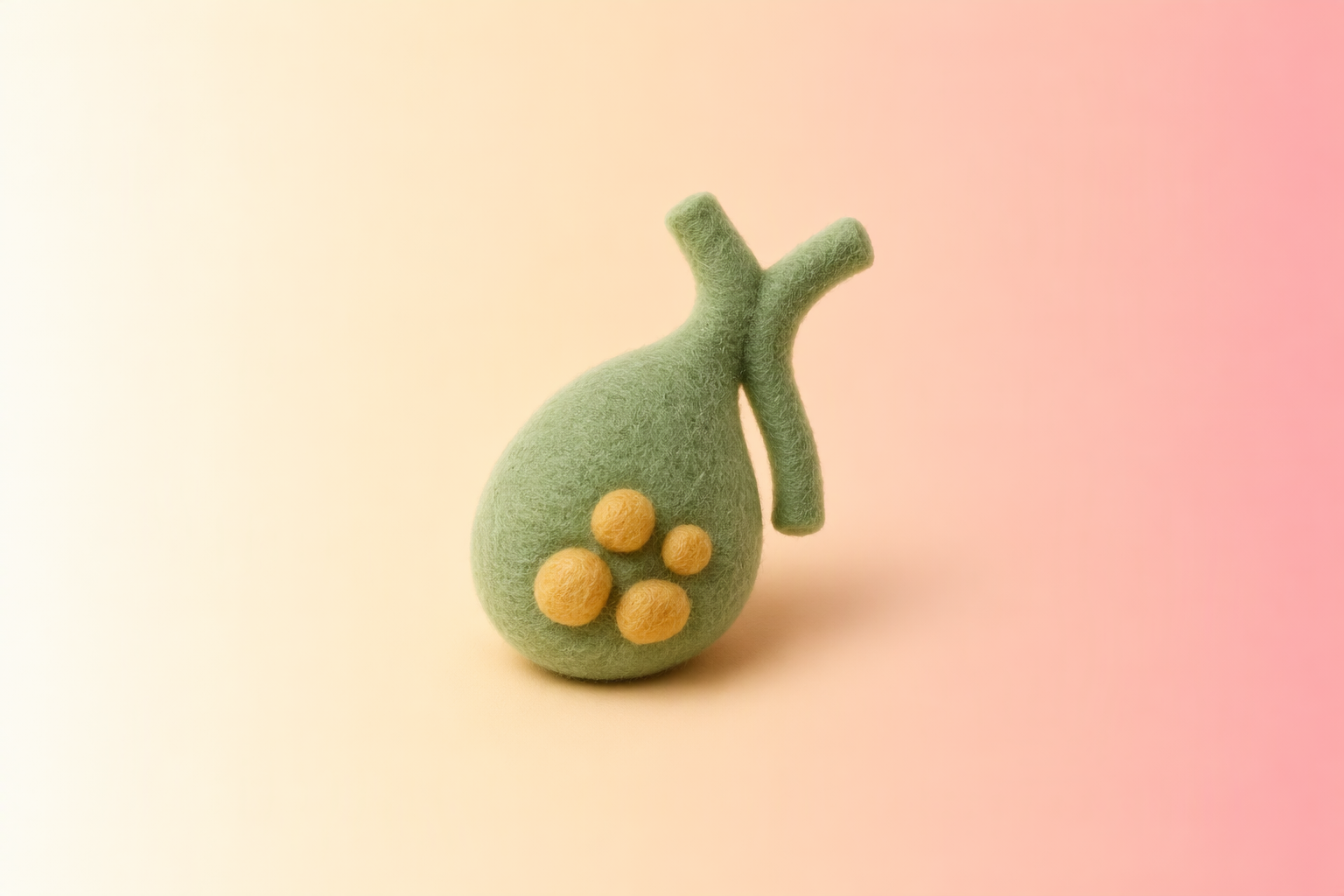
Can tirzepatide cause gallbladder problems? Tirzepatide prescribing information warns about acute gallbladder disease. Reported problems include gallstones and inflammation of the gallbladder.
That warning matters, but it does not prove that tirzepatide caused every gallbladder event reported during treatment. Gallstones have several risk factors, including obesity, a history of stones, certain health conditions, and rapid weight loss. Someone taking tirzepatide may have several of these factors at once.
The answer is therefore more complicated than a simple yes or no. Tirzepatide is associated with gallbladder warnings, while the weight loss that can occur during treatment may add risk through a separate process.
A 2023 systematic review and meta-analysis examined pancreatitis and gallbladder or biliary disease in randomized trials involving tirzepatide. Research of this kind helps identify safety signals across groups of patients. It cannot determine why one individual developed abdominal pain or whether a specific episode was caused by the medication.
We recommend responding according to the symptoms:
- Severe, constant, or worsening abdominal pain needs urgent assessment.
- Pain with fever, jaundice, dark urine, pale stools, or repeated vomiting needs prompt medical care.
- Mild symptoms that persist, worsen, or keep returning should be reported to the prescriber.
- Treatment changes should come from a clinician who can assess the symptoms and medical history.
- If severe symptoms suggest pancreatitis or another acute illness, seek care rather than waiting for a routine medication appointment.
Tirzepatide can also cause more common digestive effects, including nausea, indigestion, reduced appetite, diarrhea, and constipation. These effects may make the picture harder to interpret. Severe or persistent pain should not be written off as a routine medication reaction.
The immediate goal is not to diagnose the cause at home. It is to recognize when clinical assessment is needed.
What the tirzepatide label says
“Acute gallbladder disease” is a broad label term. In plain language, it refers to a new gallbladder problem that needs medical attention.
Related conditions can include:
- Cholelithiasis: gallstones.
- Cholecystitis: inflammation of the gallbladder.
- Biliary obstruction: blocked bile flow, often caused by a stone in a duct.
- Associated complications: infection or pancreatitis in some cases.
A suspected gallbladder problem may require testing. The appropriate tests depend on the symptoms, medical history, and physical examination.
Evaluation may include:
- Blood tests for signs of inflammation, infection, dehydration, pancreatic injury, or impaired bile flow.
- An abdominal ultrasound.
- Additional imaging when an ultrasound does not provide a clear answer.
- Follow-up with primary care, gastroenterology, or surgery.
The prescribing warning is not a tool for self-diagnosis. It tells patients and clinicians to take symptoms that could indicate gallbladder disease seriously.
Risk figures also need context. A rate reported in a label or trial applies to the doses, study population, follow-up period, comparison group, and event definitions used in that source. It should not be treated as one fixed rate for every person who takes tirzepatide.
Patients use tirzepatide for different reasons and may receive different doses. Their starting health, weight-loss response, gallbladder history, and other medicines also vary.
A person with previous gallbladder attacks and new pain under the right ribs needs a different review from someone with brief mild nausea and no pain. Our role is to help patients and prescribers distinguish routine medication management from symptoms that require faster care.
Why the cause is not always simple
The timing of a symptom can suggest a pattern, but it does not establish the cause.
Nausea that begins after an injection could be related to tirzepatide. It could also result from an infection, another medication, constipation, dehydration, pregnancy, gallbladder disease, pancreatitis, or something the patient ate.
The same principle applies to abdominal pain. Pain that begins shortly after a dose is not automatically a drug reaction. Pain that begins later is not automatically unrelated.
A clinician may review:
- Previous gallstones or gallbladder attacks.
- Past gallbladder inflammation.
- Current weight and recent weight change.
- Food and fluid intake.
- Dose increases or other treatment changes.
- Other prescription and nonprescription medicines.
- Pregnancy history.
- Diabetes and broader metabolic health.
- Previous bile duct or pancreatic disease.
- Recent illness or surgery.
Obesity is associated with gallstone risk, and rapid weight loss can also raise risk. Both may be present when someone begins tirzepatide.
If weight is falling much faster than expected, that change belongs in the clinical review. It does not prove that treatment should stop. The prescriber needs to consider the dose, nutrition, hydration, symptoms, health conditions, and treatment goals together.
Association is not the same as proof. That distinction should never be used to dismiss pain or other warning signs. It should lead to proper assessment instead of an unsupported conclusion.
Gallstones, gallbladder inflammation, and bile duct blockage are not the same
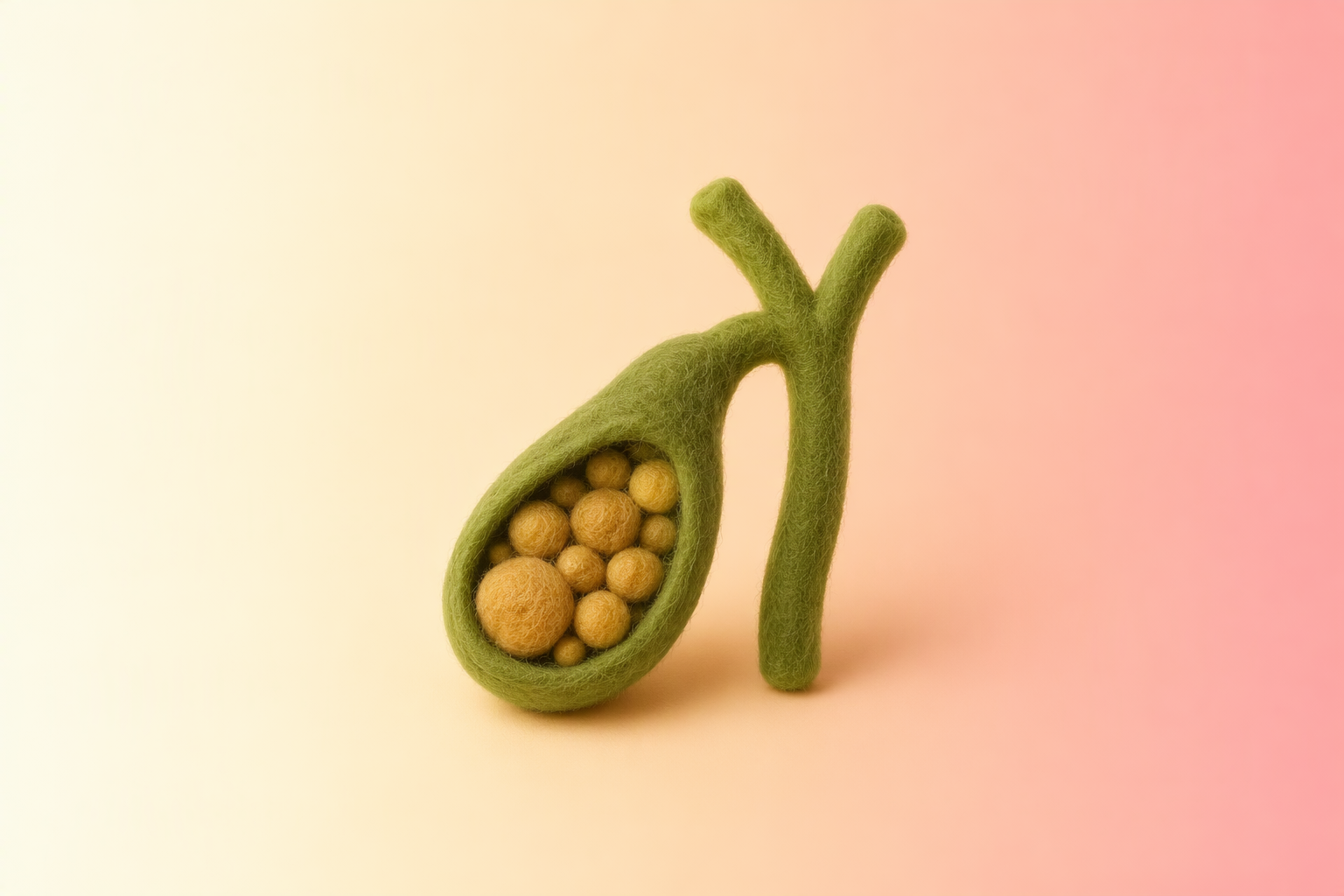
Gallstones are hardened pieces of material that form from substances in bile. Bile is a digestive fluid made by the liver. The gallbladder stores and releases it.
Many gallstones cause no symptoms. They may be found during imaging performed for an unrelated reason. Problems are more likely to arise when a stone interferes with bile flow.
Several related terms are easy to confuse:
- Cholelithiasis means gallstones are present.
- Biliary colic usually describes pain caused by temporary blockage.
- Cholecystitis means the gallbladder is inflamed, often because its outlet remains blocked.
- Choledocholithiasis means a stone is located in the common bile duct.
- Cholangitis is an infection involving the bile ducts and can become dangerous.
- Gallstone pancreatitis occurs when a stone contributes to pancreatic inflammation.
These conditions may produce overlapping symptoms. Upper abdominal pain, nausea, and vomiting can occur with several of them, so symptoms alone cannot confirm the diagnosis.
People sometimes ask what gallstones are “a warning of.” There is no single answer. A silent stone may never cause trouble. A symptomatic stone may signal impaired bile flow, inflammation, infection, or the possibility of another attack.
Pain under the right ribs deserves attention when it is persistent, recurrent, or accompanied by other warning signs. Fever, jaundice, repeated vomiting, dark urine, or pale stools increases the urgency.
Gallstones without inflammation
Gallstones can cause episodes of pain without producing ongoing inflammation. The pain is often felt in the upper-right or upper-middle abdomen.
Some people notice it after eating. The discomfort may extend toward the back or right shoulder, and nausea or vomiting may occur.
Descriptions associated with possible biliary pain include:
- Steady pain rather than a brief muscle twinge.
- Pain under the right ribs or high in the center of the abdomen.
- Pain that begins after a meal.
- Discomfort that reaches the back or right shoulder.
- Nausea or vomiting during the episode.
- Similar episodes that recur.
Not everyone follows this pattern. Reflux, ulcers, constipation, muscle strain, liver conditions, kidney problems, and some heart or lung conditions can also produce pain near the upper abdomen or ribs.
Pain location is useful information, but it is not a diagnostic test. A clinician may need blood tests and imaging to determine whether stones are present and whether the gallbladder or bile ducts are affected.
Even an episode that resolves may be worth reporting. Recurrent attacks can help the prescriber recognize a pattern and decide whether further assessment is needed.
For example, steady pain under the right ribs after a meal that extends to the right shoulder deserves prompt clinical advice if it persists or returns. Waiting for jaundice is not a safe strategy because some gallbladder problems cause significant pain without visible yellowing of the skin or eyes.
Inflammation, infection, and blocked bile flow
Cholecystitis is inflammation of the gallbladder. It often follows a blockage of the gallbladder outlet.
The pain may be more persistent than a brief episode of biliary colic. Fever, chills, tenderness, nausea, or vomiting may occur.
A stone can also enter the common bile duct, which carries bile toward the intestine. If the duct becomes blocked, bile may not drain normally.
Possible signs of impaired bile flow include:
- Yellow skin or eyes.
- Dark urine.
- Pale or clay-colored stools.
- Upper abdominal pain.
- Itching.
- Nausea or vomiting.
Fever or chills with jaundice and abdominal pain may indicate an infection involving the bile ducts. This requires urgent medical care.
An untreated blockage can cause serious illness. Infection may spread, and a duct stone may contribute to pancreatitis.
No single symptom confirms one of these diagnoses. Some people develop only part of the usual symptom pattern. Symptoms may also be less typical in older adults or people with certain chronic conditions.
We recommend using warning signs to decide when to seek care, not to name the condition. The final diagnosis may depend on an examination, blood tests, and imaging.
Symptoms that need urgent or emergency care
When abdominal symptoms begin, the first question should not be, “Is this definitely a gallstone?” A more useful question is, “How urgently does this need to be assessed?”
Seek emergency care for severe, constant, or rapidly worsening abdominal pain. The same applies when pain occurs with fainting, confusion, breathing difficulty, chest pressure, or marked weakness.
Prompt medical assessment is also appropriate for upper abdominal pain accompanied by:
- Fever or chills.
- Yellow skin or eyes.
- Dark urine.
- Pale or clay-colored stools.
- Repeated vomiting.
- Inability to keep fluids down.
- Signs of dehydration.
- Pain that persists rather than easing.
Milder symptoms should still be reported if they persist, recur, or worsen. Waiting until a refill appointment may be inappropriate when an active problem is developing.
Anyone who feels faint, confused, or severely ill should avoid driving. Call emergency services or ask another person for help.
Do not take an extra dose or repeat a dose to test whether the symptoms worsen. If severe pain or other warning signs are present, seek medical advice before taking the next scheduled dose.
Call emergency services or seek emergency care now
Emergency evaluation is appropriate for severe or rapidly worsening illness.
Seek emergency care for:
- Severe, constant upper abdominal pain.
- Pain that becomes significantly worse.
- Pain with fainting or near-fainting.
- Confusion or difficulty staying awake.
- Trouble breathing.
- Marked weakness or signs of shock.
- Severe pain that extends to the back.
- Severe pain with repeated vomiting.
- Vomit containing blood or material that resembles coffee grounds.
- A rigid or extremely tender abdomen.
- Chest pressure or pain that could be heart-related.
Persistent upper abdominal pain that spreads to the back can occur with pancreatitis. Gallbladder disease may produce similar pain and can sometimes contribute to pancreatic inflammation.
These causes cannot be separated safely at home. Both may require blood tests, fluids, pain relief, imaging, and observation.
A patient with severe upper abdominal pain that extends to the back and repeated vomiting should not wait to see whether the symptoms pass. That remains true even if the nausea first appeared after a tirzepatide injection.
Symptoms can also require urgent care after treatment has been paused or stopped. The timing of the last dose does not make severe pain safe.
Get same-day medical advice
Some symptoms may not require an ambulance but should not wait for a routine appointment.
Seek same-day advice for:
- Pain under the right ribs with fever.
- Abdominal pain with shaking chills.
- Yellow skin or eyes.
- Unexplained dark urine.
- Pale, gray, or clay-colored stools.
- Repeated vomiting.
- Inability to keep liquids down.
- Dry mouth, reduced urination, or dizziness.
- Upper abdominal pain that persists.
- Pain that repeatedly returns after meals.
- New abdominal pain in someone with a history of gallstones or pancreatitis.
Contact the prescriber, an urgent care center, or another local medical service. Describe the symptoms before traveling because some clinics may not have the imaging or treatment resources required.
An urgent care center may direct a patient to an emergency department. That referral reflects the tests or monitoring needed; it does not mean the first call was unnecessary.
Right-sided abdominal pain with fever and yellow eyes requires a different response from mild nausea without pain. Both are worth reporting, but the first pattern calls for immediate assessment.
Track and discuss milder symptoms
A symptom log can help when discomfort is mild and no warning signs are present. It gives the prescriber specific information rather than a vague description.
Record:
- The precise location of the pain.
- When it began.
- How long it lasted.
- Whether it was steady or came in waves.
- Whether it spread to the back or shoulder.
- Food eaten before symptoms began.
- The tirzepatide dose and injection time.
- Any recent dose increase.
- Nausea, vomiting, diarrhea, or constipation.
- Temperature, if available.
- Urine and stool color.
- Fluid intake.
- Recent weight changes.
Plain descriptions are most useful. “Steady pain under my right ribs after dinner” communicates more than “my stomach felt bad.”
Someone with mild nausea may be able to continue drinking fluids and eating small meals. That symptom can be tracked and discussed with the prescriber if it persists, worsens, or occurs with pain.
Tracking must never delay treatment. Stop recording symptoms and seek help if severe pain, fever, jaundice, repeated vomiting, fainting, or confusion develops.
For a broader review of expected effects and warning signs, our guide to the side effects of Zepbound explains common symptoms, serious risks, and care thresholds.
Why rapid weight loss can raise gallstone risk
Tirzepatide is not the only factor to consider. Rapid weight loss itself can make gallstones more likely.
During substantial or rapid weight loss, the composition of bile may change, and the gallbladder may not empty as effectively. These changes can support stone formation in some people.
This issue is not unique to GLP-1 or GIP/GLP-1 treatment. It may also occur with:
- Severe calorie restriction.
- Weight-loss surgery.
- Illness that causes rapid weight loss.
- Medication-supported weight loss.
- Prolonged periods of very low food intake.
That does not mean weight loss is inherently harmful. It means the pace, method, nutritional intake, and side effects belong in the safety review.
Our aim is not to blame the drug, the diet, or the patient. We want to identify modifiable factors without undermining treatment that may be providing meaningful health benefits.
Weight loss that is much faster than planned may reflect a strong treatment response. It may also indicate persistent nausea, vomiting, dehydration, very low food intake, or a dose that needs review.
Patients should report both the amount of weight lost and the period over which it occurred. “I have lost a lot of weight” is less useful than dates and recorded weights.
The clinician can then decide whether the pace fits the patient’s starting weight, current health, treatment goals, food intake, and side-effect profile. No single rate is appropriate for everyone.
Risk factors a clinician may review
A gallbladder risk assessment includes both medical history and current symptoms. Not every factor carries the same weight for every patient.
The clinician may ask about:
- Previous gallstones.
- Earlier gallbladder attacks.
- A history of cholecystitis.
- Previous pancreatitis.
- Bile duct stones or procedures.
- Gallbladder surgery.
- Large or rapid weight changes.
- Current weight-loss pace.
- Pregnancy history.
- Diabetes and other metabolic conditions.
- Liver or digestive disorders.
- Other medicines.
- Family history.
- Previous abdominal imaging.
Current symptoms matter most when determining urgency. A remote history of silent stones differs from active right-sided pain with fever or vomiting.
Past records can help clarify what happened. Useful documents may include ultrasound reports, hospital discharge summaries, operative notes, and records of bile duct procedures.
An endoscopic retrograde cholangiopancreatography, commonly called ERCP, may be used to diagnose or treat certain bile duct and pancreatic duct problems. A history of this procedure may point to prior duct stones, narrowing, or pancreatitis and should be shared with the prescriber.
The clinician may also ask about meals and fluids. Poor intake can signal that the treatment plan needs attention even when no gallbladder disease is found.
We approach this as a whole-patient review. One isolated risk factor rarely tells the full story.
Weight-loss pace needs an individual review
Online rules about a universally “safe” rate of weight loss are often too blunt. Starting weight, body composition, medical conditions, treatment goals, and nutritional needs differ.
A prescriber may review:
- Starting and current weight.
- Weight change over a defined period.
- Typical daily food intake.
- Protein and broader nutrient intake.
- Fluid intake.
- Nausea and vomiting.
- Diarrhea or constipation.
- Current tirzepatide dose.
- Recent dose increases.
- Other diabetes medicines and glucose readings.
- Kidney, liver, or heart conditions.
- The patient’s treatment goals.
A person who feels well and maintains adequate food and fluid intake differs from someone who can barely eat because of daily nausea. Their recorded weight changes might look similar while their clinical situations are very different.
Dose escalation also requires context. Reaching a higher dose is not a goal by itself. A clinician may decide to delay an increase when side effects continue to limit nutrition or hydration.
Do not alter the injection schedule without medical direction. Report the facts and ask the prescriber to review the plan.
A concise message might say: “My weight is falling faster than expected, I feel nauseated most days, and I am struggling to drink enough. Should my dose and intake be reviewed before my next injection?”
That gives the clinician a defined problem to assess.
Can you take tirzepatide if you have gallstones?
A history of gallstones does not automatically rule out tirzepatide. It does call for an individual clinical review.
The decision may depend on:
- Whether the stones are causing symptoms now.
- Whether past attacks involved inflammation or infection.
- Whether a stone entered the common bile duct.
- Whether pancreatitis occurred.
- Whether the gallbladder has been removed.
- What current blood tests or imaging show.
- How quickly weight is changing.
- Whether the patient can follow a clear symptom plan.
A silent stone found incidentally years ago is different from repeated attacks involving bile duct blockage. A simple eligibility rule would miss that distinction.
Active symptoms may need assessment before treatment begins, continues, increases, or is refilled. The prescriber may need previous records, current blood tests, imaging, or an urgent in-person evaluation.
Patients should report earlier attacks even if those attacks resolved. Gallbladder surgery, pancreatitis, jaundice, and bile duct procedures are also relevant.
A practical symptom plan should answer three questions:
- Which symptoms can be monitored at home?
- Which symptoms require a same-day call?
- Which symptoms require emergency care?
This plan is useful before the first dose and at later refills, particularly when the patient’s health or symptoms have changed.
Tirzepatide is one medicine within a broader category of metabolic treatments. Our GLP-1 medications list by active ingredient separates active ingredients, brands, uses, and dosing schedules. This can reduce confusion when medical records use a brand name rather than the drug’s generic name.
Questions asked during a GLP-1 intake or refill
A useful intake asks more than whether gallstones have ever occurred. The details determine whether the history is relevant to the current treatment decision.
A clinician may ask:
- Do you have abdominal pain now?
- Where is the pain?
- When did it begin?
- How long does it last?
- Is it steady or intermittent?
- Does it spread to the back or shoulder?
- Does it follow meals?
- Have you had fever or chills?
- Have your skin or eyes appeared yellow?
- Has your urine become darker?
- Have your stools become pale?
- Are you vomiting?
- Can you keep fluids down?
- Have you had gallstones or cholecystitis?
- Have you had pancreatitis?
- Was your gallbladder removed?
- Have you had an ERCP or another bile duct procedure?
- How has your weight changed?
- Over what period did that change occur?
- Has the tirzepatide dose changed recently?
Dates and specific descriptions help. “Gallstones several years ago, no surgery, and no symptoms since” is clearer than “I had gallbladder trouble.”
If the service allows document sharing, useful records may include imaging reports, discharge papers, procedure notes, operative reports, and a current medication list.
At Temi, we support medication access and prescription management. New abdominal warning signs still require clinical review rather than being treated as a routine refill detail.
When treatment may need reassessment
New biliary symptoms should not be dismissed as expected nausea or indigestion. They may require assessment before the treatment plan continues unchanged.
Depending on the circumstances, a clinician may request:
- Liver and bile duct blood tests.
- Pancreatic enzyme tests.
- A blood count.
- Kidney function and hydration tests.
- An abdominal ultrasound.
- Other imaging based on the initial findings.
Not every brief symptom requires every test. Severe pain, jaundice, fever, or repeated vomiting changes the level of concern.
After assessment, the clinician may keep the dose unchanged, delay an increase, pause treatment, change treatment, or direct the patient to urgent care. The appropriate decision depends on the suspected diagnosis and the patient’s overall risk.
Patients should not make prescription changes based only on an online article. If emergency clinicians are treating an acute illness, follow their instructions. Otherwise, medication decisions should come from the clinician responsible for the treatment plan.
A refill request is also a safety checkpoint. Report new symptoms before the next prescription or shipment is approved. Active pain should not be left until after another dose.
Can you take tirzepatide after gallbladder removal?
Gallbladder removal does not automatically prevent someone from using tirzepatide. The decision still depends on the person’s health, symptoms, treatment goals, and surgical history.
Removing the gallbladder prevents stones from forming inside that organ because it is no longer present. It does not remove the liver, bile ducts, or pancreas.
Bile duct problems may still occur after surgery. A stone can remain in a duct, and obstruction can also result from material in the ducts, narrowing, scarring, or another condition.
Jaundice after gallbladder removal therefore still needs medical attention. So do dark urine, pale stools, fever, repeated vomiting, and significant upper abdominal pain.
It is unsafe to assume that biliary pain is impossible without a gallbladder. Surgery changes the range of likely causes, but it does not make all upper abdominal symptoms harmless.
What changes after gallbladder surgery
The liver continues to produce bile after the gallbladder is removed. Bile flows through the ducts into the intestine instead of being stored in the gallbladder first.
Some people experience digestive changes after surgery. Loose stools, meal-related discomfort, or food intolerance may occur for several reasons.
These familiar symptoms should not be used to explain away a new or severe illness. What matters is whether the pattern has changed.
Seek assessment when symptoms are:
- Severe.
- Persistent.
- Worsening.
- Accompanied by fever.
- Accompanied by jaundice.
- Paired with dark urine or pale stools.
- Paired with repeated vomiting.
- Different from the person’s usual post-surgery symptoms.
The date and reason for surgery are useful. Patients should report whether removal followed uncomplicated gallstones, acute inflammation, pancreatitis, or bile duct blockage.
Any procedures performed before or after surgery should also be included in the medical history.
What risks remain
A retained stone may remain in a bile duct after the gallbladder is removed. Stones or stone-like material may also develop within the ducts later.
Possible symptoms of a blocked duct include:
- Upper abdominal pain.
- Yellow skin or eyes.
- Dark urine.
- Pale stools.
- Itching.
- Fever or chills.
- Nausea or vomiting.
A bile duct infection can become severe. Pancreatitis can also produce upper abdominal pain that spreads to the back.
These conditions overlap, and blood tests or imaging may be needed to separate them.
Someone who had gallbladder surgery years ago but now has yellow eyes, dark urine, pale stools, and upper abdominal pain needs urgent assessment. The cause should not be assumed to be tirzepatide, but previous surgery does not make a biliary cause impossible.
Severe upper abdominal pain is not a routine consequence of gallbladder removal. It should not be treated as a routine tirzepatide effect either.
Lowering risk without crash diets or false promises
No food, drink, supplement, or routine can guarantee that gallstones will not form. Claims of complete protection should be viewed skeptically.
Risk reduction starts with a medically appropriate treatment plan. That includes reviewing weight-loss pace, food intake, hydration, side effects, dose changes, and relevant health conditions.
Crash diets can add risk. Severe calorie restriction may also contribute to weakness, nutritional deficiencies, dehydration, and loss of lean tissue.
We do not recommend pairing an appetite-lowering medication with an unsupervised near-fast. Reduced hunger does not eliminate the body’s need for nutrition and fluids.
Regular meals may help some patients maintain adequate intake. Drinking enough fluid can reduce the risk of dehydration. Both should fit the person’s medical needs and treatment plan.
These measures cannot make gallstones impossible, but they support safer care.
Report:
- Persistent vomiting.
- Very low food intake.
- Difficulty drinking enough fluid.
- Dizziness or reduced urination.
- Weight loss that is much faster than expected.
- New upper abdominal pain.
- Recurrent pain after meals.
- Fever, jaundice, dark urine, or pale stools.
The prescriber may adjust the treatment plan. A registered dietitian may also help when intake is poor or food choices have become too limited.
Steps patients can discuss with a clinician
A focused review can identify manageable problems before they become more serious.
Useful topics include:
- Weight-loss pace: Compare recorded weights and dates.
- Food intake: Review meal frequency, portions, protein, and nutrient variety.
- Fluid intake: Check whether nausea or vomiting is limiting hydration.
- Nausea management: Address symptoms before they lead to prolonged low intake.
- Constipation: Treat it within the care plan because it can worsen abdominal discomfort.
- Dose escalation: Review whether an increase is appropriate while side effects remain active.
- Other medicines: Check drugs that affect blood glucose, digestion, or hydration.
- Dietitian support: Ask whether a registered dietitian could help create a practical plan.
- Gallbladder history: Review previous imaging, attacks, surgery, or procedures.
- Symptom thresholds: Write down when to call and where to seek care.
One patient may have brief mild nausea while still eating and drinking adequately. Another may skip most food and fluids because of persistent symptoms. Those situations require different responses.
Managing nausea does not mean masking severe abdominal pain. New pain deserves a separate assessment.
We recommend concrete reports. Tell the clinician how often vomiting occurred, whether fluids stayed down, and whether urination has decreased. Specific facts help with decisions about dehydration and urgent care.
Claims to avoid
Simple prevention promises often leave out major limitations.
Avoid these assumptions:
- “More water will prevent stones.” Hydration is valuable, but water cannot guarantee gallstone prevention.
- “A low-fat diet makes gallbladder events impossible.” Food choices may affect symptoms for some people, but no single diet offers complete protection.
- “A supplement will dissolve or prevent every stone.” Supplements should not replace medical evaluation.
- “Pain is normal because tirzepatide slows digestion.” Severe or persistent pain should not be dismissed.
- “Stopping tirzepatide will clear a blockage.” A medication change does not diagnose or treat an obstructed bile duct.
- “No gallbladder means no biliary risk.” Bile duct obstruction can still occur after gallbladder removal.
- “One symptom-free day means the risk has passed.” Gallstone symptoms may recur after a period without pain.
Be wary of detoxes, gallbladder flushes, and products promoted as stone cleanses. They may delay appropriate care and could worsen diarrhea or dehydration.
A suspected obstruction requires medical assessment, not an experiment with oil, juice, herbs, supplements, or fasting.
Tirzepatide, pancreatitis, and other causes of abdominal pain
Tirzepatide can cause common digestive effects such as nausea, reduced appetite, indigestion, diarrhea, and constipation. These symptoms do not always indicate an emergency.
Severe or persistent abdominal pain is different. It should not be dismissed as “just the injection.”
Persistent upper abdominal pain that extends toward the back can be a warning sign of pancreatitis. Repeated vomiting may occur with it.
Gallstones may also trigger pancreatitis by interfering with drainage near the pancreatic duct. This is one reason gallbladder and pancreatic symptoms can overlap.
Other causes of abdominal pain include:
- Reflux.
- A stomach or intestinal infection.
- Ulcer disease.
- Constipation.
- Bowel obstruction.
- Liver disease.
- Kidney stones.
- Muscle strain.
- Heart or lung conditions.
- Pregnancy-related conditions.
An article cannot distinguish these causes from symptoms alone. A symptom checker cannot provide a reliable diagnosis either.
Timing is one clue, not proof. Symptoms after an early dose may be medication-related, but another illness can begin at the same time. Symptoms that begin after treatment stops may also be related or unrelated.
The response should match the severity. Severe pain needs assessment whether it began after the first injection, after a dose increase, between doses, or after treatment was paused.
How triage separates common effects from urgent problems
Triage begins with the nature and severity of the pain.
A clinician may ask:
- Where is the pain?
- How severe is it?
- When did it begin?
- Is it constant or intermittent?
- Is it worsening?
- Does it spread to the back or shoulder?
- Does eating affect it?
- Is there fever?
- Is there vomiting?
- Can fluids stay down?
- Are the skin or eyes yellow?
- Is the urine darker than usual?
- Are the stools pale?
- Is the abdomen swollen?
- When was the last bowel movement?
- Was the tirzepatide dose recently increased?
The answers help determine the next step but may not establish the diagnosis.
A physical examination may assess tenderness, hydration, temperature, heart rate, blood pressure, breathing, and signs of jaundice.
Blood tests may look for signs of:
- Infection or inflammation.
- Liver problems.
- Bile duct obstruction.
- Pancreatic inflammation.
- Impaired kidney function.
- Electrolyte disturbance.
- Dehydration.
Imaging may include an ultrasound or another scan, depending on the suspected cause and available resources.
Back pain alone does not diagnose pancreatitis, and right-sided pain alone does not diagnose gallstones. Significant symptoms require clinical assessment.
Why drug comparisons can mislead
Patients often ask whether tirzepatide or semaglutide has a higher gallbladder risk. A simple ranking can be misleading because studies may not be directly comparable.
Trials can differ in:
- Dose.
- Dose-escalation schedule.
- Treatment duration.
- Follow-up period.
- Starting weight.
- Diabetes status.
- Age and other health conditions.
- Amount and pace of weight loss.
- Definitions of gallbladder events.
- Methods used to confirm events.
- Comparison groups.
A study in which participants lose more weight may show a different event pattern for several reasons. The active medication may matter, and the amount or pace of weight loss may also contribute.
Systematic reviews and pooled analyses help researchers identify broader safety signals. They cannot erase differences between trials or predict an individual patient’s outcome.
The 2023 systematic review of tirzepatide safety drew on randomized controlled trials. That evidence is useful, but an individual treatment decision still needs current prescribing information, symptoms, medical history, dose, and treatment response.
We do not recommend switching medicines based on a simplified online comparison. Switching can create new side effects, dose questions, treatment gaps, and access issues.
Use the prescribing information for the specific product and review personal risk with the treating clinician.
Questions to ask before the next refill
A refill should not proceed as though nothing has changed when new abdominal symptoms have appeared.
Useful questions include:
- Does this pain need same-day assessment?
- Could these symptoms indicate a gallbladder or bile duct problem?
- Could pancreatitis be a concern?
- Is my weight changing faster than planned?
- Am I eating and drinking enough?
- Do I need blood tests?
- Do I need an ultrasound or another scan?
- Should the next dose wait for clinical review?
- Should a planned dose increase be delayed?
- Which symptoms require emergency care?
- What should I do if the pain returns after hours?
- Does my history of gallstones or surgery change the plan?
Do not conceal symptoms because of concern that the prescription might be changed. The purpose of the review is to identify the safest next step, not to punish a patient for reporting a problem.
Provide a current medication list and symptom log. Include nonprescription medicines and supplements.
If the pain is severe now, do not wait for the next refill. Use urgent or emergency care according to the warning signs above.
FAQ
Can taking tirzepatide cause gallbladder problems?
Tirzepatide prescribing information warns about acute gallbladder disease, including gallstones and gallbladder inflammation. This does not prove the medicine caused every reported event. Obesity, previous stones, other health conditions, and rapid weight loss may also contribute.
Severe abdominal pain, fever, jaundice, dark urine, pale stools, or repeated vomiting requires prompt assessment.
Can you take a GLP-1 medication if you have gallstones?
Sometimes. Previous gallstones do not create an automatic ban on treatment, but a clinician should review current symptoms, earlier attacks, imaging, pancreatitis, gallbladder surgery, bile duct procedures, and recent weight changes.
Active pain or signs of blocked bile flow may require testing before treatment begins or continues.
What can symptomatic gallstones indicate?
Gallstones may cause no symptoms. When symptoms do occur, they can indicate temporary blockage, gallbladder inflammation, bile duct obstruction, infection, or pancreatitis.
Pain alone cannot establish which condition is present. Pain with fever, jaundice, dark urine, pale stools, or vomiting needs prompt medical care.
Can I take tirzepatide after having my gallbladder removed?
Gallbladder removal does not automatically prevent tirzepatide use. The liver, bile ducts, and pancreas remain, so bile duct stones, narrowing, infection, and pancreatitis can still occur.
Report significant upper abdominal pain, jaundice, fever, dark urine, pale stools, or repeated vomiting without delay.
Should I stop tirzepatide if I think I have gallstones?
Do not diagnose or change treatment on your own. Contact the prescriber about persistent or recurring symptoms. If severe pain, jaundice, fever, repeated vomiting, fainting, confusion, or pain spreading to the back occurs, seek urgent or emergency care.
When acute symptoms are being assessed, ask a clinician whether the next scheduled dose should be delayed.
How can I prevent gallstones while taking tirzepatide?
No diet, supplement, or hydration routine guarantees prevention. Avoid crash diets and report unexpectedly rapid weight loss, persistent vomiting, very low intake, or dehydration.
Ask the prescriber to review the dose, weight-loss pace, nutrition, hydration, and gallbladder history. Supplements and “gallbladder cleanses” should never replace an evaluation of pain or jaundice.
Review your symptoms before your next refill
Do not wait for a routine refill if abdominal pain is severe, persistent, worsening, or accompanied by fever, jaundice, dark urine, pale stools, dehydration, or repeated vomiting. Seek urgent care when these warning signs are present.
For routine prescription access and medication management, review your current medicines, medical history, weight changes, and recent symptoms with Temi before your next dose or refill.