

TL;DR
There is no single GLP-1 diet plan. We recommend small, protein-forward meals, steady fluid intake, and adjustments based on symptoms. The goal is adequate nourishment—not eating as little as possible. Never use severe restriction or change a prescribed dose without clinical guidance.
GLP-1 Diet Plan Basics: What to Eat and Why
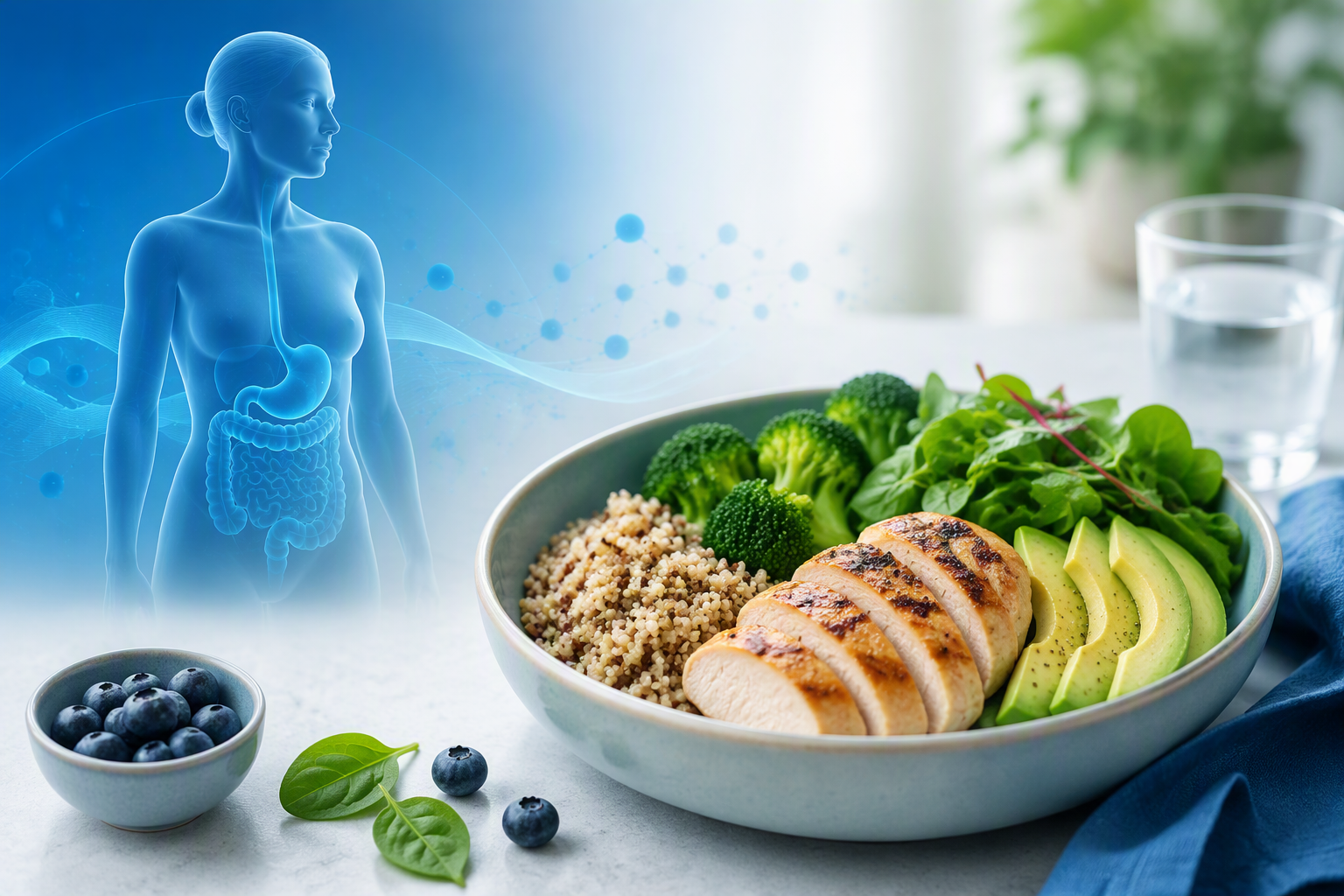
A practical GLP-1 diet plan supplies protein, fluids, fiber, and other nutrients without aggravating nausea, reflux, constipation, or diarrhea.
When appetite is limited, we recommend eating protein first. Follow it with produce or another tolerated fiber source, then add a starch if there is room. Small meals and mini meals may feel better than a standard plate.
Stop at comfortable fullness rather than forcing food. At the same time, do not treat the lowest possible intake as the goal. Severe restriction can crowd out essential nutrients. A physician or registered dietitian can help set personal nutrition and fluid targets.
A Simple Plate for a Smaller Appetite
Build a small plate in this order:
- Begin with fish, poultry, eggs, yogurt, tofu, beans, or lentils.
- Add cooked vegetables, soft fruit, or another tolerated fiber source.
- Include rice, oats, potatoes, or bread if appetite remains.
- Use fats sparingly when nausea or reflux is active.
For breakfast, that might mean an egg with toast and berries. Eat the egg first, then save the remaining food if fullness arrives early.
How GLP-1 Medicines Change Meal Planning
GLP-1 medicines may reduce appetite and cause fullness after a small amount of food. Large, rich, or quickly eaten meals can feel uncomfortable.
Use a smaller dish, eat slowly, and pause between bites. Food tolerance may change with the medicine, dose, and stage of treatment.
Investigational medicines should not guide a current treatment plan. Patients comparing therapies can review the evidence on retatrutide versus tirzepatide while continuing to follow their prescription.
What to Eat on Tirzepatide During Regular and Dose-Change Weeks
Food tolerance on tirzepatide may vary throughout the week. Regular days may allow more variety, while the period after starting treatment or changing a dose may call for smaller, blander, lower-fat meals.
Special diet products are not required. Follow the prescription instructions, and do not raise, lower, skip, or repeat a dose without guidance.
Regular-Week Food Choices
Choose from foods such as:
- Eggs, fish, chicken, or turkey
- Greek yogurt or cottage cheese
- Tofu, beans, lentils, or edamame
- Fruit and vegetables as tolerated
- Oats, rice, potatoes, bread, or other grains
Begin with a small serving and add more only if hunger remains. Sip fluids throughout the day rather than relying on a large drink with meals.
Dose-Change and Low-Appetite Choices
When nausea increases, consider toast, rice, oatmeal, bananas, applesauce, broth-based soup, eggs, yogurt, tofu, or plainly cooked poultry.
Cold or room-temperature foods may be easier when cooking smells trigger nausea. Mini meals can also be more manageable than full meals. Contact the prescriber if side effects are persistent, severe, or difficult to manage.
7-Day GLP-1 Meal Plan With Small, Protein-Forward Meals
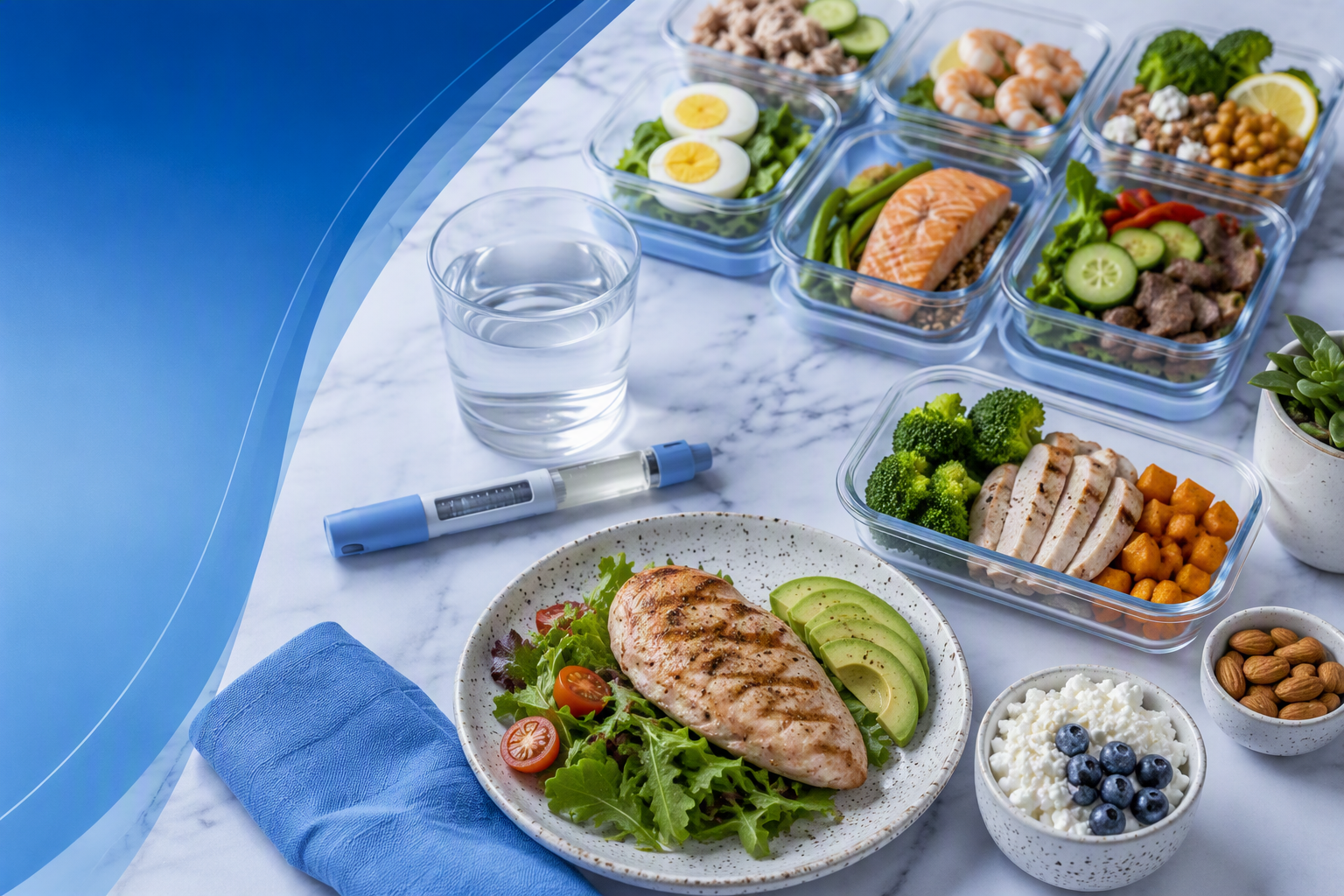
This sample plan uses familiar foods and repeated ingredients. Portions should reflect appetite and clinical needs. Eat the protein first and save leftovers promptly when comfortable fullness begins.
Days 1 to 3
Day 1
- Breakfast: Egg, toast, and berries
- Lunch: Cottage cheese, sliced peach, and crackers
- Dinner: Baked chicken, rice, and cooked carrots
- Optional mini meal: Greek yogurt
Day 2
- Breakfast: Greek yogurt, oats, and soft fruit
- Lunch: Leftover chicken, rice, and carrots
- Dinner: Lentil soup, plain yogurt, and toast
- Optional mini meal: Egg
Day 3
- Breakfast: Egg, oatmeal, and banana
- Lunch: Cottage cheese, berries, and crackers
- Dinner: Chicken and vegetable soup with potato
- Optional mini meal: Yogurt or soft tofu
Days 4 to 7
Day 4
- Breakfast: Cottage cheese, peach, and oats
- Lunch: Lentil soup, toast, and cooked carrots
- Dinner: Fish or tofu, potato, and cooked vegetables
Day 5
- Breakfast: Greek or soy yogurt, banana, and oats
- Lunch: Leftover fish or tofu with vegetables
- Dinner: Turkey or bean soup with crackers
Day 6
- Breakfast: Egg or tofu scramble, toast, and fruit
- Lunch: Turkey or bean soup with rice
- Dinner: Baked chicken or tofu, rice, and carrots
Day 7: Rough-Day Menu
- Breakfast: Egg or yogurt with dry toast
- Lunch: Broth-based chicken or tofu soup with crackers
- Dinner: Plain poultry or tofu, rice, and cooked carrots
- Optional mini meal: Applesauce or banana
How to Adjust the Plan
Split a meal into mini meals when fullness starts early. During nausea or reflux, reduce rich sauces, added fat, spice, and large portions of raw produce.
If dairy seems to worsen diarrhea or discomfort, try a smaller portion, lactose-free dairy, or unsweetened soy yogurt. Change one food at a time so patterns are easier to identify.
GLP-1 Grocery List by Food Group
We suggest buying small packages and freezing extra bread, proteins, and cooked grains in meal-size portions. This list offers flexible options rather than strict rules.
Protein and Vegetarian Protein
- Eggs, fish, chicken, turkey, or tuna
- Greek yogurt or cottage cheese
- Tofu, tempeh, or edamame
- Beans, lentils, or smooth legume soups
Fixed protein targets found online may not suit every patient. Needs can vary with body size, age, activity, total intake, kidney health, and other conditions.
Produce, Starches, Fats, and Fluids
Produce: Bananas, berries, peaches, applesauce, carrots, spinach, squash, and frozen produce.
Starches: Oats, rice, potatoes, bread, crackers, and broth-based soups.
Fats and fluids: Olive oil, avocado, nuts, nut butter, water, broth, milk, and unsweetened drinks.
Follow any clinician-set fluid limit, particularly with kidney, heart, or liver conditions.
What Foods Should You Avoid While Taking a GLP-1?
There is no universal list of forbidden foods. We recommend tracking the food, amount, timing, and symptoms before removing an entire food group. Ask the prescriber about alcohol because individual risks may differ.
Foods That May Worsen Nausea or Reflux
Possible triggers include fried foods, rich sauces, spicy meals, large portions, fast eating, and lying down soon after eating.
Smaller, lower-fat meals may be easier to tolerate. When reflux is active, leave time between eating and going to bed.
Foods That May Worsen Diarrhea or Constipation
Greasy food, large dairy servings, sugar alcohols, or abrupt increases in fiber may worsen digestive symptoms for some people.
Low food and fluid intake may contribute to constipation. Increase fiber gradually rather than adding large servings of bran, beans, supplements, or raw vegetables at once.
Protein, Fiber, and Fluids When Appetite Is Low
When only a few bites feel manageable, prioritize a protein-rich food, sip fluids across the day, and add other tolerated foods as appetite allows. We do not recommend one nutrition target for everyone.
Protein Options That Take Few Bites
Compact options include eggs, Greek yogurt, cottage cheese, tuna, tender chicken, tofu, and smooth bean soup.
Some patients find shakes useful, but their volume, sweetness, or fat content may worsen nausea or fullness. Whole foods can often provide suitable alternatives.
How to Add Fiber Without Making Symptoms Worse
Start with a small serving of oats, kiwi, cooked vegetables, beans, lentils, or ground flax. Keep the amount steady until it feels comfortable, then increase gradually. Pair fiber with fluids unless a clinician has prescribed a restriction.
How to Drink When Large Glasses Feel Uncomfortable
Take small, regular sips instead of drinking a large glass with a meal. A marked bottle can help monitor intake.
Dark urine, dizziness, dry mouth, or much less urination may indicate dehydration. Contact a clinician when these symptoms occur, especially alongside vomiting or diarrhea.
Vegetarian GLP-1 Diet Plan and Simple Swaps
A vegetarian GLP-1 diet plan can rely on everyday foods. Large salads and bean bowls may feel too bulky when fullness is strong, so consider tofu, eggs, yogurt, cooked produce, smooth soups, and smaller bean servings.
Vegan patients can use tofu, lentils, beans, edamame, and fortified soy foods. A clinician can review protein and micronutrient needs.
Lower-Volume Vegetarian Meals
Try scrambled eggs or tofu with toast, yogurt with soft fruit, lentil soup with tofu, or cottage cheese with crackers. Eat the protein first and save the rest if fullness develops.
Plant Fiber During Nausea or Bloating
Choose cooked or peeled produce in small servings. Reduce large salads, dense bean bowls, and high-fat meat substitutes during symptom flares. Add higher-fiber foods back separately as tolerance improves.
GLP-1 Weight Loss, Natural GLP-1 Foods, and Safety Questions
Weight change depends on the medicine, dose, treatment duration, health history, food intake, activity, side effects, and adherence. No meal plan can promise a particular result.
Our patient guides cover evidence and access considerations for oral orforglipron and cagrilintide.
How Much Weight Can You Lose on GLP-1 in 3 Months?
There is no standard result. Early treatment may involve gradual dose changes, while side effects and individual response can influence progress. Scheduled follow-ups allow the care team to review nutrition, tolerance, and treatment goals.
How Can You Speed Up Weight Loss on GLP-1?
Do not use severe restriction, skipped fluids, extra doses, or unapproved dose changes. Take the medicine as prescribed and support basic nutrition, sleep, hydration, and appropriate activity. Slower progress or a plateau calls for clinical review—not a crash diet.
Which Foods Naturally Trigger GLP-1?
Protein, fiber-rich carbohydrates, and unsaturated fats may support normal gut-hormone responses. Examples include eggs, fish, beans, oats, vegetables, olive oil, and nuts.
Food does not reproduce the action or approved use of prescription medicines such as tirzepatide or semaglutide.
When Symptoms Need Medical Care
Seek prompt medical help for severe or persistent stomach pain, repeated vomiting, inability to keep fluids down, fainting, confusion, or signs of significant dehydration. Contact the prescriber about ongoing nausea, constipation, diarrhea, or reflux.
FAQ
What Food Should I Avoid While on a GLP-1?
Avoid foods that repeatedly trigger symptoms rather than following a universal ban list. Common triggers may include fried foods, rich sauces, large meals, spicy food, alcohol, or large servings of dairy and fiber.
How Much Weight Can You Lose on a GLP-1 in Three Months?
There is no standard result. Progress varies by medicine, dose schedule, treatment tolerance, health history, food intake, activity, and adherence.
How Can You Speed Up Weight Loss on a GLP-1?
Do not change the dose, take extra medicine, skip fluids, or severely restrict food. We recommend discussing slow progress or a plateau with the prescriber.
Which Foods Naturally Trigger GLP-1?
Protein foods, fiber-rich carbohydrates, and unsaturated fats may support normal GLP-1 release. They do not replace prescription treatment.
Get GLP-1 Care Through Temi
Need prescription support or help managing side effects? Visit Temi to explore available online GLP-1 care and speak with a licensed clinician about your next steps.