
TL;DR
An atorvastatin recall usually applies to specific products or lots, not every atorvastatin tablet. Keep the medicine and packaging, then call the dispensing pharmacy. Ask its staff to compare the labeler or manufacturer, NDC, lot number, expiration date, strength, and package size with the current FDA record before making any treatment changes.
Atorvastatin recall: Check your bottle before you change treatment

A recall headline does not tell us whether a particular prescription is affected. We need five core details: the labeler or manufacturer, NDC, lot number, expiration date, and package size.
Drug recalls commonly cover selected products or lots rather than every medicine with the same name. Even if the strength matches the notice, that alone does not confirm that the tablets were recalled.
We recommend taking these steps first:
- Keep the tablets, pharmacy vial, paperwork, and original packaging.
- Call the pharmacy that dispensed the prescription.
- Ask staff to compare the source labeler or manufacturer, NDC, and lot with the current FDA recall record.
Do not stop atorvastatin or skip a dose based only on a general headline. A pharmacist or prescriber can advise on treatment after checking the specific fill.
Seek urgent care for trouble breathing, facial swelling, fainting, chest pain, or possible stroke signs such as sudden weakness, difficulty speaking, or facial drooping. These symptoms need prompt medical attention, but they do not show whether a medicine came from a recalled lot.
What to do if your dose is due tonight
Call the dispensing pharmacy or its after-hours line. Provide the prescription number and fill date so staff can locate the record.
If the pharmacy is closed, contact the prescriber’s on-call service. A pharmacist at another open location may be able to offer general guidance, although the original pharmacy may still need to trace the stock used for the prescription.
Do not take an extra dose later unless a clinician instructs you to do so. For severe symptoms or another urgent medical concern, seek emergency care instead of waiting for the pharmacy to reopen.
Which atorvastatin products and lots are affected?
A reliable atorvastatin recall list must come from the current FDA record. News stories may remain online after a recall has ended, while search results can combine unrelated notices from different years and companies.
Published reports describe a voluntary recall involving Ascend Laboratories and atorvastatin calcium tablets following failed dissolution testing. It reports that the recall began in September 2025, received an FDA Class II classification, and involved more than 140,000 bottles. However, those reports do not list the complete NDC, lot, expiration, strength, and package information required to identify an individual prescription.
We will not fill those gaps with assumptions.
| Field | Information supported by the cited report | What to verify in the live FDA record |
|---|---|---|
| Labeler or distributor | Ascend Laboratories LLC | Exact recalling firm and labeler |
| Manufacturer | Not stated in published reports | Manufacturer, if listed |
| Strength | Not stated in published reports | Exact affected strength or strengths |
| Dosage form | Atorvastatin calcium tablets | Complete product description |
| Package size | Not stated in published reports | Bottle count for each product |
| NDC | Not stated in published reports | Full NDC and displayed format |
| Lot | Not stated in published reports | Every affected lot |
| Expiration date | Not stated in published reports | Expiration date for each lot |
| Recall start date | Reported as September 2025 | Exact initiation date |
| Recall class | Class II | Current FDA classification and status |
| Reason | Failed dissolution specifications | FDA’s stated reason |
Publication check date: October 3, 2026. Recall records can change. Confirm all identifiers through the FDA Enforcement Reports database and the dispensing pharmacy.
Strength and bottle size do not establish a match on their own. A notice might identify tablets supplied in a larger manufacturer bottle, while a patient receives a smaller quantity in a pharmacy vial. Those tablets could still have come from the listed source bottle.
The NDC and lot number provide more specific identification. The expiration date can further distinguish affected stock from unaffected stock.
Recall notices may also identify companies with different roles:
- Manufacturer: Makes the medicine.
- Labeler: Markets the product under its label.
- Distributor: Supplies or moves the product through the market.
- Dispensing pharmacy: Fills the prescription from its available stock.
The company named on a pharmacy vial may not be the manufacturer or recalling firm. Pharmacy records are often needed to connect a prescription to its original stock.
Search results also surface a separate 2014 Ranbaxy recall involving 10 mg atorvastatin in 90-count bottles. That older notice should not be used to assess a current prescription. Similar strengths or package sizes across unrelated recalls do not establish a match.
Why the number of recalled bottles can mislead
A large distribution total attracts attention, but it does not answer whether one person’s prescription is affected.
A recall may be limited by:
- Manufacturer or labeler
- NDC
- Strength
- Package size
- Lot
- Expiration date
We focus on those identifiers first. The statement “atorvastatin was recalled” is too broad to guide a treatment decision.
How to find the NDC, lot number, manufacturer, and expiration date
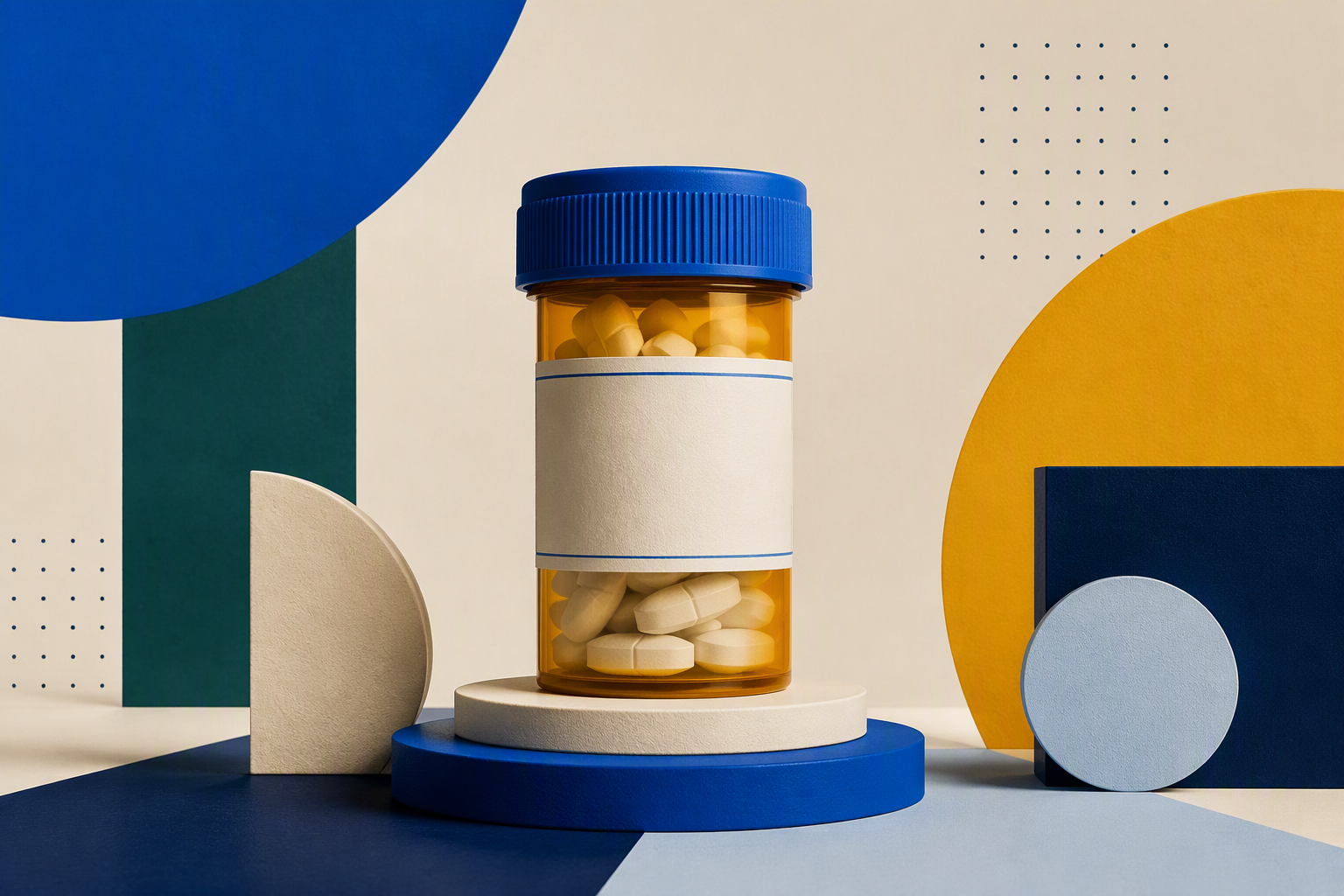
An original manufacturer bottle usually displays key identifiers on its main label, side panel, or near the barcode. Lot and expiration information may be stamped, ink-printed, or laser-marked separately from the main label.
Look for:
- NDC: Often printed near the product name, strength, or barcode
- Lot number: Marked “LOT,” “Lot No.,” or a similar term
- Expiration date: Marked “EXP” or “Expiration”
- Manufacturer or labeler: Listed with a company name and location
- Package size: Displayed as the number of tablets
An NDC may appear in different formats, including versions with 10 or 11 digits. Hyphen placement can vary too. Do not add a zero or guess at missing digits to create a match. We recommend asking the pharmacist to compare the number in the dispensing system with the FDA listing.
Tablet color, shape, and imprint can help identify a medicine, but they cannot confirm its source lot. Different companies may produce the same strength, and a tablet’s appearance does not reveal its lot number.
Photograph the vial label and any original packaging. Keep the tablets until the pharmacy gives clear return, exchange, or disposal instructions.
Why a pharmacy vial may not show the lot number
Retail pharmacies often transfer tablets from a manufacturer bottle into a smaller pharmacy vial. The patient label may include the drug, strength, quantity, prescription number, fill date, and pharmacy without displaying the source NDC, manufacturer, or lot.
That does not necessarily mean the information is unavailable. Pharmacy staff may be able to trace the fill using:
- Prescription number
- Fill date
- Store location
- Inventory records
- Purchase records
- Source-bottle records
If a vial says “atorvastatin 10 mg” but does not list a manufacturer or lot, provide the pharmacy with the prescription number, fill date, and store location. Its staff can then investigate which stock was used.
What to tell the pharmacy
Have these details ready:
- Patient’s full name
- Prescription number
- Fill date
- Store location
- Atorvastatin strength
- Quantity received
Ask: “Can you check whether my fill came from the recalled NDC or lot?”
If the pharmacy confirms a match, request instructions about the next dose, return process, and replacement. If staff cannot complete the trace immediately, ask when they expect to have an answer.
Why atorvastatin gets recalled
Medicines can be recalled for different reasons, and the specific defect determines the concern.
Possible reasons include:
- Incorrect tablets in a bottle
- Contamination
- Incorrect or incomplete labeling
- Packaging defects
- Too much or too little active ingredient
- Failed dissolution testing
Dissolution testing evaluates how a tablet releases its active ingredient under defined laboratory conditions. A tablet may contain the stated amount of atorvastatin yet fail to release it as required.
A failed result does not prove that every tablet released no medicine or that a particular patient was harmed. The recall notice describes the identified quality problem, while the FDA’s classification reflects its assessment of the potential health risk.
A quality defect and an adverse event are separate issues. The first concerns whether a product met its required standard. The second concerns what happened to a person after using it.
What failed dissolution may mean
A tablet that fails dissolution specifications may release atorvastatin too slowly or incompletely under the tested conditions. That could affect how much medicine becomes available for absorption or when it becomes available.
The practical significance depends on the test findings, product, patient, treatment goal, and period of use. A pharmacist or prescriber can place the recall information in context once the affected product has been identified.
Should I stop taking atorvastatin because of the recall?
We do not recommend stopping atorvastatin solely because of a broad recall report. First, ask the dispensing pharmacy to determine whether the tablets match an affected NDC and lot. Then follow the pharmacy’s or prescriber’s instructions.
Atorvastatin lowers LDL cholesterol and may be prescribed to reduce cardiovascular risk in appropriate patients. An unplanned interruption may be especially concerning for people with cardiovascular disease or a history of heart attack or stroke, but individual guidance is essential.
At the same time, we do not recommend continuing tablets from a confirmed recalled lot without professional advice. Once the pharmacy confirms a match, ask what to do about the next dose and replacement supply.
If your bottle is confirmed as recalled
Keep the bottle separate as directed. Do not flush the tablets or place them in household waste before receiving return or disposal instructions.
Ask the pharmacy:
- When will replacement tablets be ready?
- What should I do if a dose is due before pickup?
- Is stock from an unaffected manufacturer available?
- Must I return the remaining tablets?
- Will the pharmacy need a new prescription?
Contact the prescriber if no refills remain, the same product is unavailable, or a different medicine or dose needs to be considered.
How to get a replacement refill
Start with the pharmacy that dispensed the medicine. It has the prescription record and is best placed to explain its recall and replacement process.
Procedures vary according to the pharmacy, distributor, available stock, manufacturer, and prescription status. A pharmacy may exchange confirmed recalled stock, but it could also need authorization or a replacement shipment.
Cash-pay patients should not assume they must purchase the medicine again. Ask whether the pharmacy can exchange the recalled supply or arrange a replacement through its distributor or the manufacturer.
A new prescription may be required if:
- No refills remain
- The prescription has expired
- Applicable rules require a new order
- The original product is unavailable
- The clinician chooses a different dose or drug
Temi may provide prescription refill support where our services, state availability, and clinical criteria allow. We cannot identify the source lot used by an outside retail pharmacy without access to that pharmacy’s dispensing and inventory records.
Patients considering other fulfillment options can review our pharmacy guides for Cost Plus Drugs and Amazon Pharmacy. A new pharmacy still needs a valid prescription and cannot verify the source of tablets dispensed elsewhere.
Questions to ask before paying for another fill
Ask:
- Was my dispensed lot confirmed as recalled?
- Will the pharmacy replace it without another charge?
- Must I return the remaining tablets?
- Is unaffected stock available?
- Is a new prescription required?
Confirming the recall first may help avoid an unnecessary payment or treatment gap.
Recall, shortage, and discontinuation do not mean the same thing
A recall means a company removes or corrects a product because of a defect or potential risk. It may involve one lot, several lots, or a broader product group.
A shortage means the available supply does not meet demand. A shortage does not, by itself, mean the medicine is defective.
A discontinuation means a company stops selling a drug, strength, or package. Reasons may include manufacturing, supply, packaging, commercial, or safety considerations.
One company can discontinue an atorvastatin product while others continue selling theirs. That does not mean atorvastatin has disappeared from the market.
Use the FDA Drug Shortages database for supply information. For product defects and affected lots, use FDA recall and Enforcement Report records.
Why was atorvastatin discontinued?
First identify the manufacturer, NDC, strength, and package. The statement “atorvastatin was discontinued” does not contain enough information.
Then check whether the source describes a recall, shortage, or commercial discontinuation. The word “discontinued” alone does not establish that a product was unsafe.
What FDA Class I, Class II, and Class III recalls mean
The FDA uses recall classes to describe its assessment of potential health risk:
- Class I: Use or exposure may cause serious adverse health consequences or death.
- Class II: Use or exposure may cause temporary or medically reversible harm, or the likelihood of serious harm is remote.
- Class III: Use or exposure is unlikely to cause adverse health consequences.
The classification describes potential risk. It does not establish whether a specific bottle is included. The NDC, lot, expiration date, and other product details still need to match.
A company may begin a recall voluntarily before the FDA assesses, classifies, and publishes it. As a result, the recall initiation date and FDA classification or publication date may differ.
Atorvastatin recall questions
Editorial update: October 3, 2026.
Medical review: No reviewer information was supplied for publication. We provide this article for general education, not as a substitute for advice from a pharmacist or prescriber.
Is atorvastatin a high-risk drug?
Atorvastatin is a prescription medicine with recognized side effects, interactions, and monitoring considerations. Clinicians also commonly prescribe it to lower cholesterol and reduce cardiovascular risk.
Individual risk depends on factors such as dose, medical history, symptoms, and other medicines. A recall involving selected lots does not change the status of every atorvastatin product.
What organ can atorvastatin affect?
Atorvastatin can affect the liver and may cause muscle injury. Severe muscle injury can also affect kidney function.
Contact a clinician about unexplained muscle pain or weakness, dark urine, yellow skin or eyes, or marked fatigue. These symptoms need medical assessment but cannot identify a recalled lot.
How do I check the FDA drug recall database?
Search FDA Enforcement Reports or Drug Recalls records for “atorvastatin.” Compare the labeler or distributor, strength, NDC, lot, expiration date, and package size.
If those fields are absent from the pharmacy vial, ask the dispensing pharmacy to check its inventory, purchasing, and source-bottle records.
Can I return recalled tablets to any pharmacy?
Not necessarily. Return policies vary, and a different pharmacy may not accept medicine it did not dispense.
Contact the original pharmacy before traveling or mailing anything. Keep the tablets and label intact until staff explain how to store, return, replace, or dispose of them.
FAQ
Should I stop taking atorvastatin because of the recall?
Do not stop because of a headline alone. Ask the dispensing pharmacy to compare the prescription with the recalled NDC and lot. If staff confirm a match, follow their or the prescriber’s instructions about the next dose and replacement. Do not double a later dose unless a clinician directs you to do so.
Why was atorvastatin discontinued?
Atorvastatin as a whole has not necessarily been discontinued. A company may stop selling a particular strength, package, or NDC for supply, commercial, manufacturing, or safety reasons. Identify the company and product, then determine whether the notice concerns a recall, shortage, or discontinuation.
Is atorvastatin a high-risk drug?
Atorvastatin has potential side effects and interactions, but clinicians use it to lower LDL cholesterol and reduce cardiovascular risk. Its risks depend on the dose, health history, and other medicines. A recall of selected products does not mean all atorvastatin is unsafe.
What organ can atorvastatin affect?
Atorvastatin can affect the liver and muscles. Severe muscle injury may also lead to kidney problems. Seek medical advice for yellow skin or eyes, dark urine, unusual fatigue, or unexplained muscle pain or weakness. Symptoms do not confirm that a medicine was recalled.
What if my pharmacy vial has no lot number?
Call the pharmacy that filled the prescription. Provide the patient’s name, prescription number, fill date, store location, strength, and quantity. Staff may be able to trace the source NDC and lot through dispensing, inventory, and purchase records. Pill color or imprint cannot prove recall status.
Get help with your next prescription
Ask the dispensing pharmacy to confirm the source lot and explain its replacement process. If prescription access support is still needed, contact Temi’s support team to check available options and clinical requirements.