
TL;DR
Whether someone needs statins for high cholesterol depends on more than one test result. We consider LDL cholesterol alongside cardiovascular disease, diabetes, blood pressure, smoking, kidney health, age, and family history. Statins lower LDL and can help prevent heart attacks and strokes, but the likely benefit depends on a person’s overall cardiovascular risk.
Do you need statins for high cholesterol?
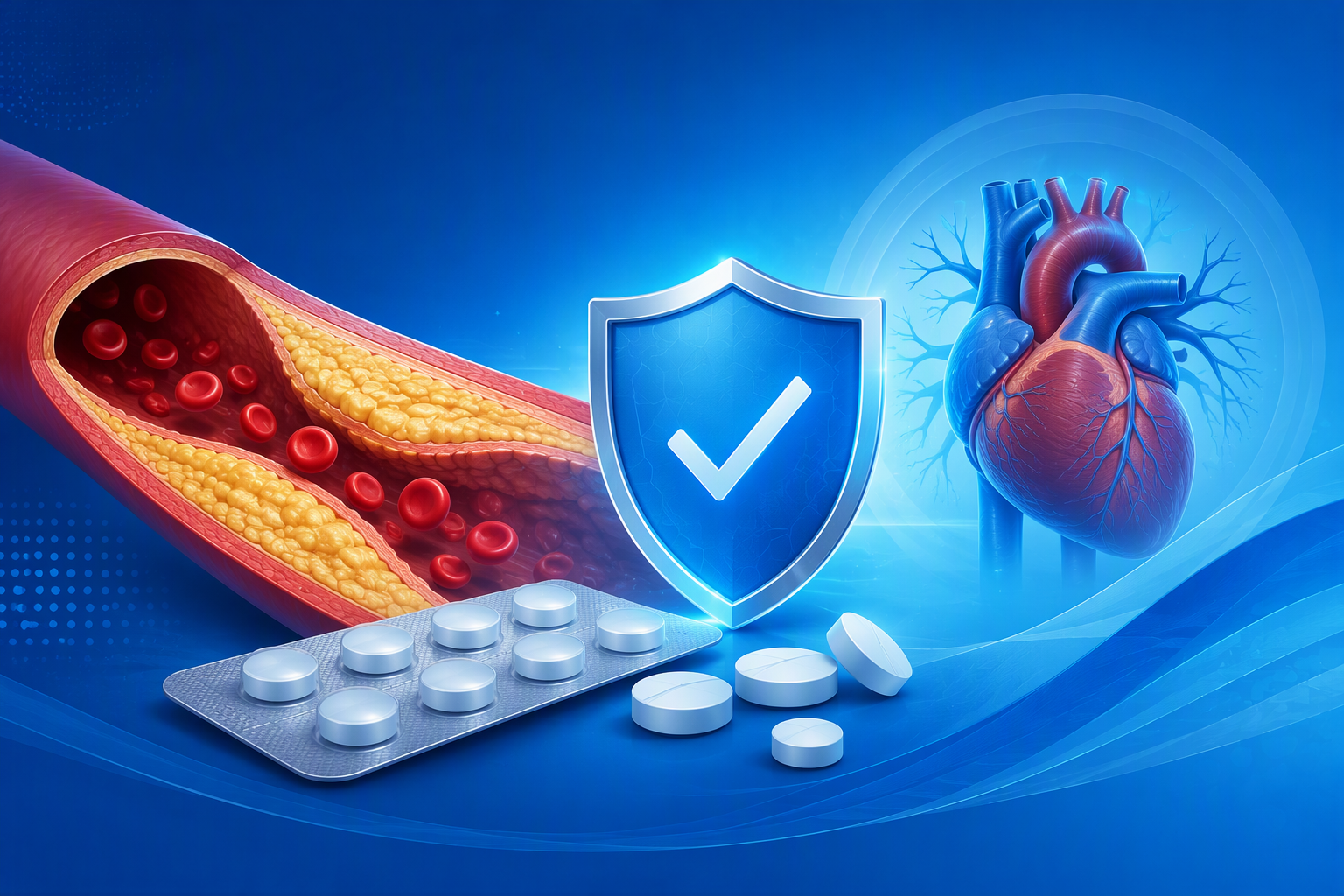
High cholesterol alone does not settle the decision. We look at LDL results and the person’s risk of heart attack, stroke, and artery disease.
Treatment is often more strongly recommended after a heart attack, stroke, blocked artery, or artery procedure. For someone who has not had a cardiovascular event, the review may include:
- LDL cholesterol
- Age and blood pressure
- Diabetes, kidney disease, or smoking
- Family history
- Estimated cardiovascular risk
Very high LDL may support treatment even without other risk factors and can suggest inherited high cholesterol. If the choice remains uncertain, a clinician may discuss a coronary calcium scan.
When statins usually provide the clearest benefit
The case is often strongest for people with known cardiovascular disease, very high LDL, suspected familial hypercholesterolemia, diabetes with added risks, or a high calculated risk of a first event.
Two people with the same LDL may receive different advice because their broader health histories differ.
When the decision may require more review
More discussion can help when risk is uncertain or different factors point in opposite directions. Side effects, interactions, pregnancy plans, cost, and preferences about long-term medicine also matter.
A calcium scan may help selected adults, but it does not replace a full clinical assessment.
What statins are and how they lower LDL
Statins are prescription medicines that reduce cholesterol production in the liver and help remove LDL from the blood. Atorvastatin is one example. It is used to treat high cholesterol and help prevent cardiovascular complications in eligible patients.
Statins work while they are being taken. They do not permanently cure high cholesterol, and LDL may rise after treatment stops.
LDL reduction by statin intensity
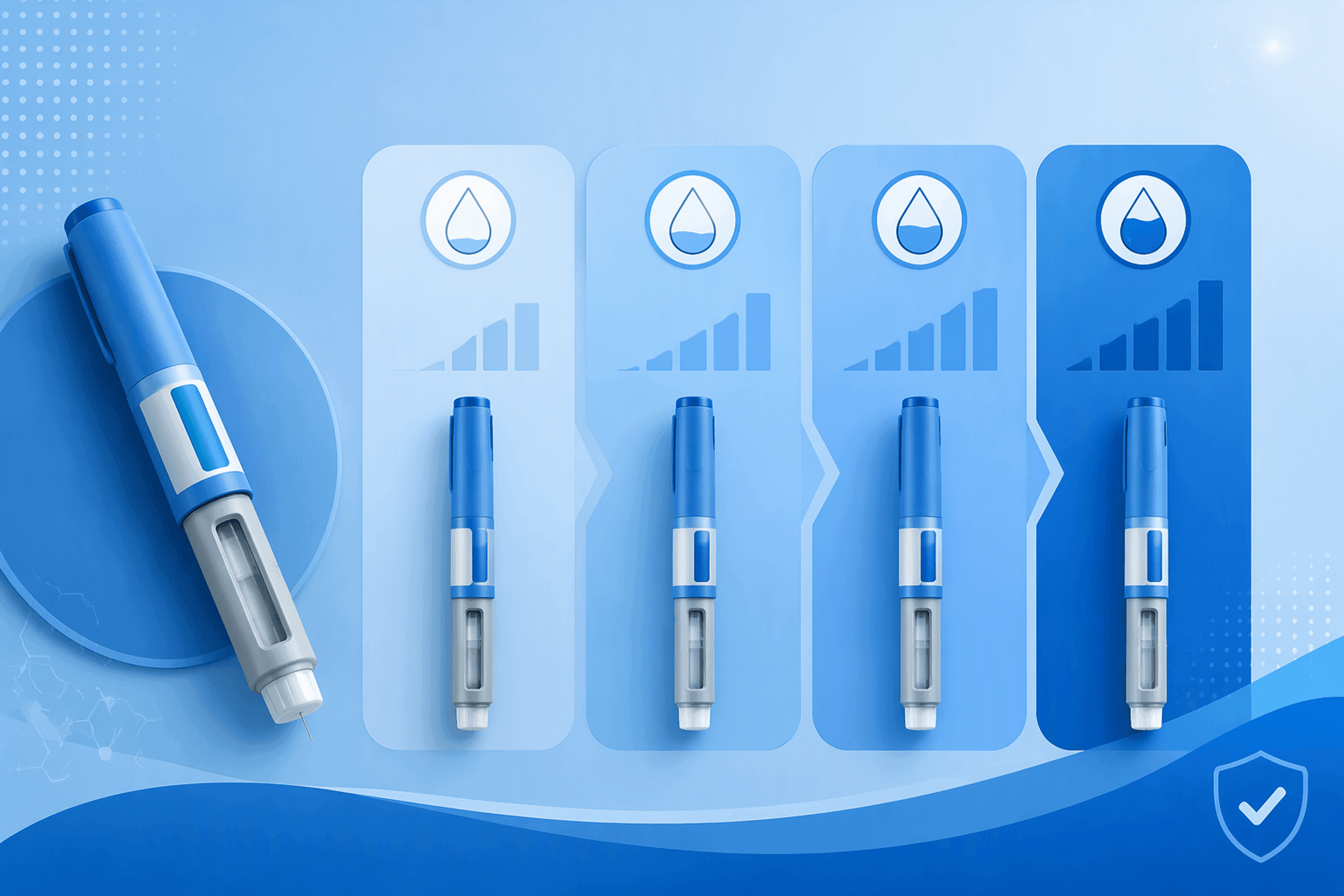
Clinicians describe statin treatment as low, moderate, or high intensity according to its expected effect on LDL. The right intensity depends on the person’s cardiovascular risk, treatment goals, medical history, and tolerance.
Why adherence changes the result
Missed doses and refill gaps can reduce the medicine’s effect. That may make a follow-up result appear disappointing even when the prescribed drug could work if taken consistently.
We recommend contacting the prescriber before stopping treatment. If cost, access, or side effects are getting in the way, raise the issue before the supply runs out.
Common statin drugs, doses, and timing
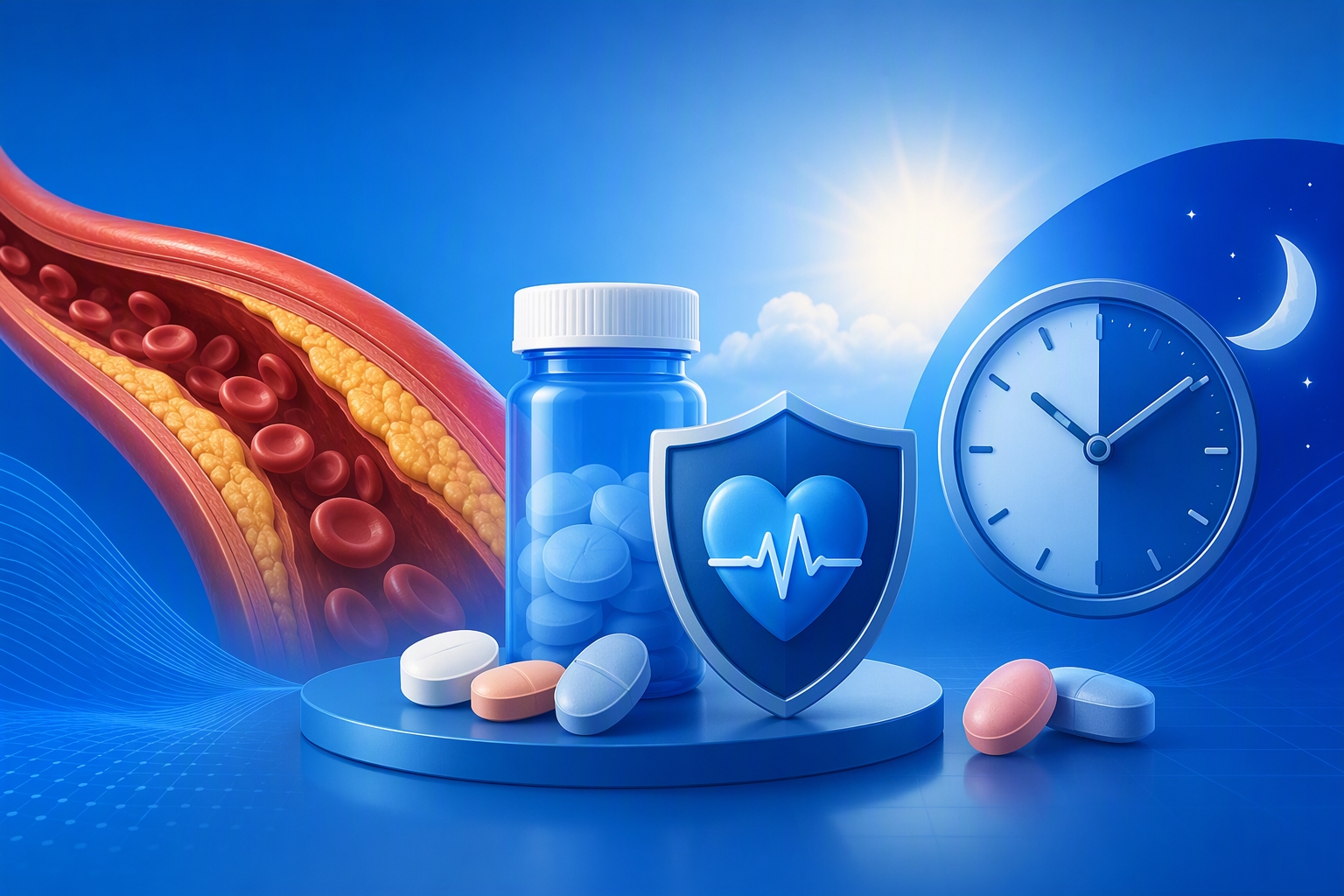
Common statins include atorvastatin, rosuvastatin, simvastatin, pravastatin, and lovastatin. The appropriate drug and dose depend on the LDL reduction needed, kidney and liver health, other medicines, and previous side effects.
Some statins can be taken at any consistent time, while others are usually taken in the evening or with a meal. The prescription label and prescriber’s instructions should always take priority.
Atorvastatin uses and practical dosing
Atorvastatin is taken by mouth and is available only by prescription. A clinician may begin with a lower dose and adjust it after reviewing the response.
Our atorvastatin 40 mg guide covers common dose questions, side effects, and refill preparation.
Grapefruit and drug interactions
Grapefruit can interact with some statins, including atorvastatin, simvastatin, and lovastatin. Antibiotics, antifungals, antiviral medicines, transplant drugs, heart medicines, and other cholesterol treatments may also create interactions.
A pharmacist or prescriber should review the full medication and supplement list. Simply separating two interacting products by a few hours may not solve the problem.
How much can a statin lower LDL and prevent events?
The LDL response varies by statin, dose, genetics, adherence, diet, and other health conditions. A follow-up lipid panel shows how an individual is responding.
Statins can also reduce cardiovascular risk, but the personal benefit depends heavily on baseline risk. Someone with established artery disease will generally have more to gain than someone whose overall risk is low.
LDL reduction example
Rather than relying on an online estimate, we recommend comparing the baseline LDL result with a follow-up lipid panel. That provides a clearer answer than assuming everyone will have the same response.
Absolute benefit example
Relative risk describes how treatment changes risk compared with the starting point. Absolute benefit reflects how many events may be prevented based on a person’s original risk.
This distinction matters: the same relative effect can produce a larger practical benefit for someone at high cardiovascular risk.
Statin side effects and what to do next
Muscle aches are commonly reported during statin treatment, but exercise, injuries, infections, thyroid conditions, and drug interactions can cause similar symptoms. Other reported concerns include digestive symptoms, headache, fatigue, liver enzyme changes, and changes in blood sugar.
Muscle pain without severe warning signs
Record the statin name, dose, affected muscles, symptom timing, weakness, recent exercise, and new medicines or supplements. Contact the prescriber rather than experimenting with stopping and restarting treatment.
A clinician may check for other causes, review interactions, adjust the dose, or try another statin.
Warning signs that need urgent care
Severe weakness, dark urine, yellow skin or eyes, chest pain, breathing difficulty, or signs of stroke require urgent assessment. An online refill request cannot replace emergency care.
CoQ10 and statin muscle symptoms
Research on CoQ10 for statin-related muscle symptoms has produced mixed findings. No standard timing has been established as a reliable way to prevent symptoms.
We recommend discussing supplement quality, cost, and interactions with a clinician or pharmacist first.
What if you cannot tolerate a statin?
One symptom with one drug or dose does not necessarily rule out every statin. A clinician can assess the timing, possible interactions, and other causes before changing the plan.
Options that keep some statin exposure
Depending on the situation, options may include:
- A lower dose
- A different statin
- A prescribed alternate schedule
- A lower-dose statin combined with another cholesterol medicine
Do not create an intermittent schedule without clinical instructions.
Non-statin prescription options
Non-statin medicines include ezetimibe, bempedoic acid, PCSK9 inhibitors, and inclisiran. They differ in how they are taken, their side effects, supporting evidence, price, and insurance requirements.
Supplements should not automatically replace prescription treatment. Products marketed for cholesterol control can vary in strength, purity, and interaction risk.
Do you still need a statin after weight loss on a GLP-1 drug?
Weight loss and GLP-1 treatment may improve cholesterol, blood pressure, and blood sugar, making a fresh risk review worthwhile. They do not erase a history of heart attack, stroke, or artery disease.
Our GLP-1 weight loss guide explains safety, cost, and refill planning.
When repeat results may change the plan
A clinician may reconsider treatment after sustained changes in weight, cholesterol, blood pressure, smoking status, or diabetes control. New side effects and interactions can also affect the decision.
When the original indication often remains strong
Treatment may remain strongly indicated for people with known cardiovascular disease, very high LDL, familial hypercholesterolemia, diabetes with added risks, or persistently high cardiovascular risk.
Blood tests before and after starting a statin
A baseline lipid panel and liver assessment are commonly considered before treatment. Other testing may depend on symptoms, medical history, pregnancy status, kidney health, thyroid health, and diabetes risk.
Before the first prescription
We recommend preparing:
- Recent cholesterol results
- Current medicines and supplements
- Allergies and relevant diagnoses
- Liver and kidney history
- Pregnancy or breastfeeding information
- Previous statin use and side effects
After a start or dose change
A follow-up lipid panel helps assess the LDL response and adherence. Unexpected results may reflect missed doses, interactions, an unsuitable dose, or another health condition.
Symptoms should be reviewed before the dose is increased or another medicine is added.
How to prepare for a statin refill or telehealth review
For an online or in-person review, gather recent test results, the statin name and dose, the last refill date, pharmacy details, allergies, diagnoses, and a complete medication list.
A clinician may approve the refill, request testing, change treatment, or recommend in-person care. A review does not guarantee a prescription.
Refill readiness checklist
Describe previous symptoms clearly, including when they began, which muscles were affected, and what happened after treatment changed.
Temi keeps medication and refill information in one place. Before paying, confirm current pricing, availability, laboratory requirements, response times, and refill terms.
Questions to ask before paying
Ask what the price includes, whether laboratory or pharmacy costs are separate, what happens if prescribing is inappropriate, and how urgent symptoms are handled.
For process or account questions, contact prescription refill support.
Common statin questions
Statins remain authorized medicines in Europe and elsewhere. Clinical debate generally concerns which lower-risk patients should start treatment, not whether statins have a role in cardiovascular care.
Lifestyle changes may alter a primary-prevention plan, but strong reasons for treatment can remain after major weight or diet improvements.
FAQ
What are the potential side effects of statins?
Reported effects include muscle aches, digestive symptoms, headache, fatigue, liver enzyme changes, and blood sugar changes. Seek urgent help for severe weakness, dark urine, jaundice, chest pain, breathing trouble, or stroke symptoms.
When is the best time to take CoQ10 with statins?
No particular time has been proven to prevent statin-related muscle symptoms. Ask a clinician or pharmacist before adding CoQ10.
What can I take instead of statins?
Options may include another statin, a lower dose, ezetimibe, bempedoic acid, PCSK9 inhibitors, or inclisiran. The best choice depends on medical history, cardiovascular risk, side effects, access, and cost.
What is atorvastatin used for?
Atorvastatin treats high cholesterol and helps prevent heart attacks, strokes, and other cardiovascular complications in eligible patients. It may also be prescribed to some people with diabetes, kidney disease, or inherited high cholesterol.
Request a statin refill review
Gather your recent results, current dose, medication list, allergies, and side-effect history, then request a clinical review through Temi’s online prescription platform. A licensed clinician will determine whether a refill, testing, treatment change, or in-person care is appropriate.