Colestid®(colestipol)
Savings at a Glance
This is an out-of-pocket price. If you have insurance, check your co-pay first—it may be even lower. Select your form and strength to see your savings.
How it Works
Present the coupon at your pharmacy to claim your savings.


usetemi.com
Coupon
BIN
015995
PCN
GDC
Group
99994324
Member ID
TEMIRX
Widely supported at retail pharmacies that dispense Colestid®
Present your coupon at most major retail pharmacies including CVS, Walgreens, Walmart, Rite Aid, and thousands more.
Drug Details
INDICATIONS AND USAGE COLESTID Tablets are indicated as adjunctive therapy to diet for the reduction of elevated serum total and LDL-C in patients with primary hypercholesterolemia (elevated low-density lipoprotein [LDL] cholesterol) who do not respond adequately to diet. Generally, COLESTID Tablets have no clinically significant effect on serum triglycerides, but with their use, triglyceride levels may be raised in some patients. Therapy with lipid-altering agents should be a component of multiple risk factor intervention in those individuals at significantly increased risk for atherosclerotic vascular disease due to hypercholesterolemia. Treatment should begin and continue with dietary therapy (see NCEP guidelines). A minimum of six months of intensive dietary therapy and counseling should be carried out prior to initiation of drug therapy. Shorter periods may be considered in patients with severe elevations of LDL-C or with definite CHD. According to the NCEP guidelines, the goal of treatment is to lower LDL-C, and LDL-C is to be used to initiate and assess treatment response. Only if LDL-C levels are not available, should the Total-C be used to monitor therapy. LDL-Cholesterol mg/dL (mmol/L) Definite Atherosclerotic Disease: Coronary heart disease or peripheral vascular disease (including symptomatic carotid artery disease). Two or More Other Risk Factors: Other risk factors for coronary heart disease (CHD) include: age (males: ≥45 years; females: ≥55 years or premature menopause without estrogen replacement therapy); family history of premature CHD; current cigarette smoking; hypertension; confirmed HDL-C <35 mg/dL; and diabetes mellitus. Subtract one risk factor if HDL-C is ≥60 mg/dL. Initiation Level and Goal: No Disease, No Risk Factors: Initiation ≥190, Goal <160. No Disease, Yes Risk Factors: Initiation ≥160, Goal <130. Yes Disease: Initiation ≥130, Goal ≤100.
CONTRAINDICATIONS COLESTID Tablets are contraindicated in those individuals who have shown hypersensitivity to any of their components.
WARNINGS AND PRECAUTIONS Prior to initiating therapy with COLESTID Tablets, secondary causes of hypercholesterolemia (e.g., poorly controlled diabetes mellitus, hypothyroidism, nephrotic syndrome, dysproteinemias, obstructive liver disease, other drug therapy, alcoholism) should be excluded, and a lipid profile performed to assess Total cholesterol, HDL-C, and triglycerides (TG). Because it sequesters bile acids, colestipol hydrochloride may interfere with normal fat absorption and, thus, may reduce absorption of folic acid and fat soluble vitamins such as A, D, and K. Chronic use of colestipol hydrochloride may be associated with an increased bleeding tendency due to hypoprothrombinemia from vitamin K deficiency. This will usually respond promptly to parenteral vitamin K1, and recurrences can be prevented by oral administration of vitamin K1. COLESTID Tablets may produce or severely worsen pre-existing constipation. The dosage should be increased gradually in patients to minimize the risk of constipation. In patients with pre-existing constipation, the starting dose should be 2 grams once or twice a day. Increased fluid and fiber intake should be encouraged to relieve constipation and a stool softener may occasionally be indicated. Since colestipol hydrochloride is a chloride form of an anion exchange resin, there is a possibility that prolonged use may lead to the development of hyperchloremic acidosis. Patients should always take one tablet at a time and swallow promptly. Swallow each tablet whole. Do not cut, crush, or chew the tablets. Tablets should be taken with water or another liquid. Difficulty swallowing and temporary obstruction of the esophagus have been rarely reported. Since colestipol hydrochloride is an anion exchange resin, it may have a strong affinity for anions other than the bile acids. Therefore, colestipol hydrochloride resin may delay or reduce the absorption of concomitant oral medication. Drugs that have been reported to have decreased absorption when given with colestipol hydrochloride include chlorothiazide, tetracycline, furosemide, penicillin G, hydrochlorothiazide, and gemfibrozil. The interval between the administration of COLESTID Tablets and any other medication should be as long as possible. Patients should take other drugs at least one hour before or four hours after taking COLESTID Tablets to avoid impeding their absorption. Colestipol hydrochloride may also interfere with the absorption of oral phosphate supplements and hydrocortisone. Concomitant use of colestipol hydrochloride may reduce mycophenolic acid exposure and potentially reduce efficacy of mycophenolate mofetil. Safety and effectiveness in the pediatric population have not been established.
ADVERSE REACTIONS Gastrointestinal: The most common adverse reactions are confined to the gastrointestinal tract. To achieve minimal GI disturbance with an optimal LDL-C lowering effect, a gradual increase of dosage starting with 2 grams once or twice a day is recommended. Constipation is the major single complaint and at times is severe. Most instances of constipation are mild, transient, and controlled with standard treatment. Other, less frequent gastrointestinal complaints consist of abdominal discomfort, intestinal gas, indigestion and heartburn, diarrhea and loose stools, and nausea and vomiting. Bleeding hemorrhoids and blood in the stool have been infrequently reported. Peptic ulceration, cholecystitis, and cholelithiasis have been rarely reported. Difficulty swallowing and transient esophageal obstruction have been rarely reported in patients taking COLESTID Tablets. Transient and modest elevations of AST, ALT and alkaline phosphatase were observed on one or more occasions. Cardiovascular: Chest pain, angina, and tachycardia have been infrequently reported. Hypersensitivity: Rash has been infrequently reported. Urticaria and dermatitis have been rarely noted. Musculoskeletal: Musculoskeletal pain, aches and pains in the extremities, joint pain and arthritis, and backache have been reported. Neurologic: Headache, migraine headache, and sinus headache have been reported. Other infrequently reported complaints include dizziness, light-headedness, and insomnia. Miscellaneous: Anorexia, fatigue, weakness, shortness of breath, and swelling of the hands or feet.
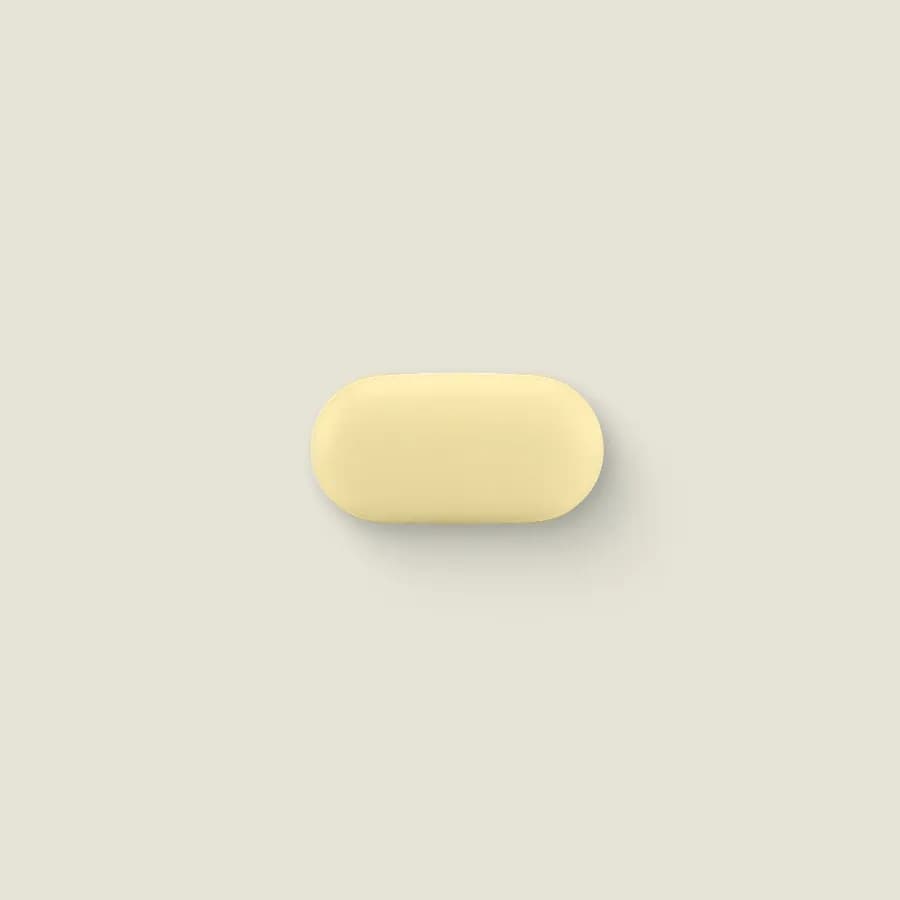
DESCRIPTION The active ingredient in COLESTID Tablets is micronized colestipol hydrochloride, which is a lipid lowering agent for oral use. Colestipol hydrochloride is an insoluble, high molecular weight basic anion-exchange copolymer of diethylenetriamine and 1-chloro-2,3-epoxypropane, with approximately 1 out of 5 amine nitrogens protonated (chloride form). It is a light yellow water-insoluble resin which is hygroscopic and swells when suspended in water or aqueous fluids. COLESTID Tablets are light yellow in color and are tasteless and odorless. Each COLESTID Tablet contains one gram of micronized colestipol hydrochloride. Inactive ingredients: cellulose acetate phthalate, glyceryl triacetate, carnauba wax, hypromellose, magnesium stearate, povidone, and silicon dioxide. COLESTID Tablets contain no calories.
Prices shown are sourced from manufacturer pricing programs and may change without notice. Temi is not responsible for pricing accuracy.